

Recombinant Antibodies
Recombinant antibodies in this range are monoclonal antibodies produced from a synthesised gene rather than animal immunisation and hybridoma fusion. The range covers over 200 targets across cell biology, immunology, cancer and neuroscience research, supplied unconjugated or as ready-to-use HRP conjugates.
Browse Recombinant AntibodiesTwo Targets That Anchor Our Recombinant Range
Beta-actin and CD19 sit at opposite ends of the recombinant range in purpose. Beta-actin is a cytoskeletal protein used as an internal loading control in western blot, while CD19 is a B lineage surface marker used to phenotype B cells by flow cytometry. Both are supplied here as full-length monoclonal IgG expressed in mouse.

Anti-Beta-Actin Recombinant Antibody [SM4963] (STJA0004963)
Beta-actin (ACTB) is ubiquitously expressed across eukaryotic cell types and remains stable under most experimental conditions, which is why it is one of the most commonly used loading controls in western blot.1 This clone detects beta-actin at its expected 42 kDa and is validated for WB, IHC, IF and ICC in human, mouse and rat samples. An HRP-conjugated version (SM8244) is also available in this range for one-step detection without a secondary antibody.
View product →
Anti-CD19 Recombinant Antibody [SM0552] (STJA0010552)
CD19 is expressed on B cells from early development through to differentiation into plasma cells, and CD19-dependent signals are required for B cell survival and development.2 Its expression is restricted to the B lineage, which makes it a standard marker for identifying and gating B cell populations in flow cytometry immunophenotyping panels. This clone is validated for WB, IHC and IF in human samples.
View product →How Our Recombinant Antibodies Are Made and Used
Each recombinant antibody in this range is produced from a synthesised gene cloned into an expression vector and introduced into a host cell line, rather than through animal immunisation. Because every batch is expressed from the same defined sequence, lot-to-lot variation is reduced compared with antibody derived from hybridoma culture. Antibodies in this range are supplied unconjugated for use with a labelled secondary antibody, or as ready-to-use HRP conjugates for one-step detection, and are used across core protein detection methods including western blot, immunohistochemistry, immunofluorescence and flow cytometry.
Are recombinant antibodies used in flow cytometry?
Yes. Flow cytometry is listed alongside western blot, immunohistochemistry and immunofluorescence as a core application across this range.
Can recombinant antibodies be conjugated or fluorescent?
Within this range, antibodies are supplied unconjugated or as HRP conjugates. For fluorescent detection, an unconjugated primary antibody from this range can be paired with a fluorophore-labelled secondary antibody.
How do recombinant antibodies differ from hybridoma-derived antibodies?
A recombinant antibody is expressed from a fixed, synthesised gene sequence in a host cell line, while a hybridoma-derived antibody is produced by an immortalised B cell clone from an immunised animal. The fixed sequence behind a recombinant antibody is what gives it consistent performance from one production run to the next.
Recombinant Antibodies for Cell Biology
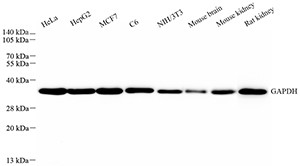
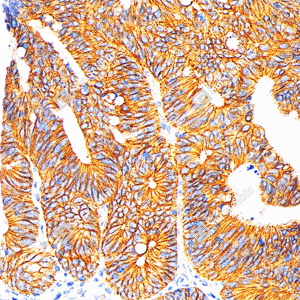
Cytoskeletal and housekeeping targets used to confirm equal protein loading and to visualise cell structure by imaging. Beta-actin and alpha-tubulin are structural proteins used to image the cytoskeleton by immunofluorescence and to normalise western blot loading, alongside GAPDH as a glycolytic enzyme loading control alternative.1 Beta-III-tubulin is a neuron-enriched tubulin isotype used as a marker of neuronal identity in mixed cell populations, and beta-catenin is a component of adherens junctions also involved in Wnt signalling.


Recombinant Antibodies for Immunology
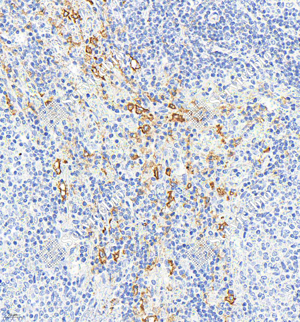
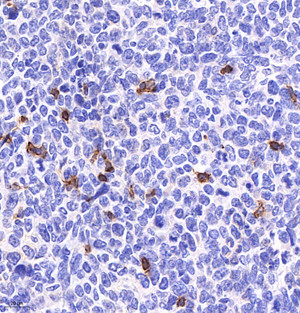
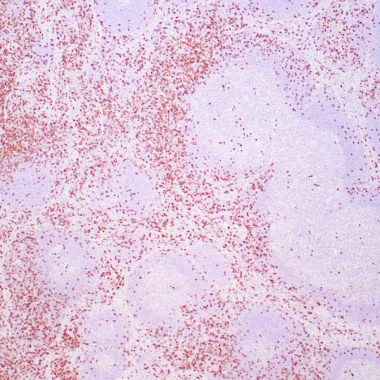
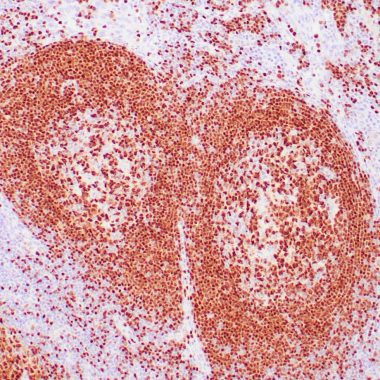
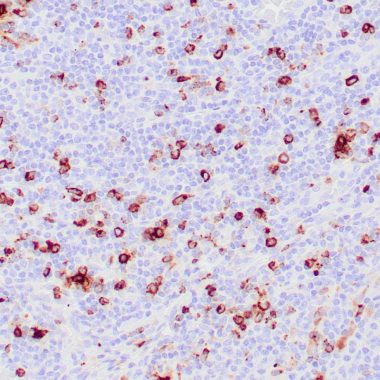
Surface and intracellular markers used to identify and phenotype immune cell populations by flow cytometry and immunohistochemistry. CD163 is a scavenger receptor restricted to monocytes and macrophages, while CD4 and CD8 mark the two major T cell co-receptor subsets used to distinguish helper from cytotoxic T cell populations. PAX-5 is a B lineage transcription factor used alongside CD markers to identify B cells in tissue sections, and Granzyme B is a cytotoxic granule protease used to study cytotoxic T cell and NK cell activity. These targets are frequently combined in panels to distinguish lymphoid and myeloid populations within the same tissue section or cell suspension.
Recombinant Antibodies for Cancer Research
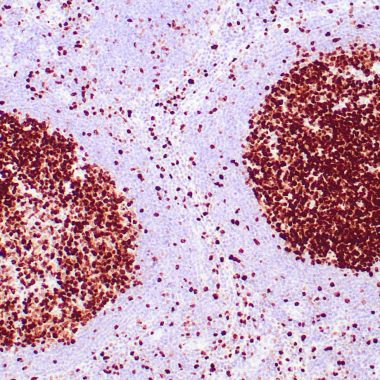
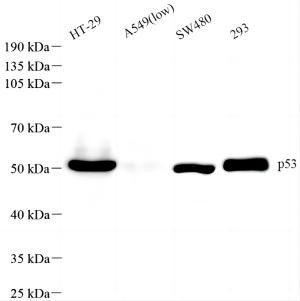
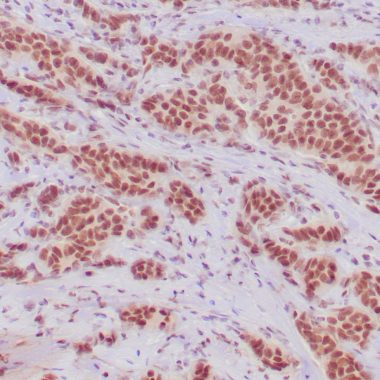
Targets spanning apoptosis regulation, proliferation, hypoxia response and tumour suppression, used to study cell death pathways, tumour growth fraction and the tumour microenvironment. Bax is a pro-apoptotic regulator that promotes programmed cell death, and Carbonic Anhydrase 9 (CA9) is induced under hypoxic conditions and used as a marker of the tumour microenvironment in solid tumour research. Ki-67 is expressed in proliferating cells and used to assess tumour growth fraction, p53 is a tumour suppressor frequently altered in cancer, and oestrogen receptor (ER) status is used to guide the classification of breast carcinoma.

Recombinant Antibodies for Neuroscience
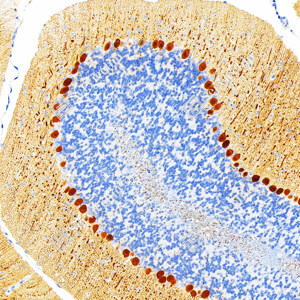
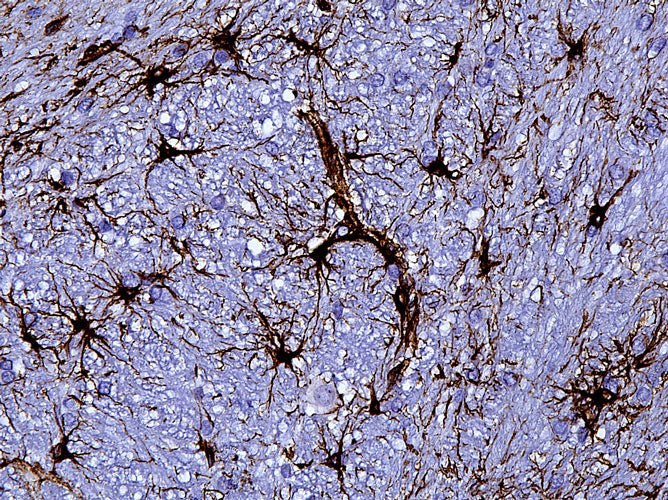
Targets used to study neuronal structure, glial identity and synaptic function in the central nervous system. Calbindin marks calcium-binding interneuron populations in the cerebellum and cortex, and GFAP is an intermediate filament protein used to identify astrocytes. Iba1 is expressed in microglia and used to study microglial activation, synaptophysin is a synaptic vesicle protein used as a marker of presynaptic terminals, and tyrosine hydroxylase is the rate-limiting enzyme in catecholamine synthesis used to identify dopaminergic and noradrenergic neurons.
Looking for a Specific Target?
Browse the full range of 200+ recombinant antibodies, or contact us if a specific target is not listed.
Browse Recombinant Antibodies1. Western Blot Loading Controls. Bio-Rad. bio-rad-antibodies.com/western-blot-loading-controls-antibodies.html
2. Otero DC, Anzelon AN, Rickert RC. CD19 Function in Early and Late B Cell Development: I. Maintenance of Follicular and Marginal Zone B Cells Requires CD19-Dependent Survival Signals. J Immunol. 2003;170:73-83.