
Chemiluminescent Immunoassay (CLIA) Kits
Our CLIA kit portfolio uses light-emitting enzymatic detection in place of the absorbance-based colorimetric readout of conventional ELISA, supporting sensitive quantification of proteins, hormones and disease markers in serum, plasma and other biological fluids.1 Each kit runs on a validated sandwich CLIA format and outputs a luminometer-read Relative Light Unit (RLU) value against a standard curve, with kits available across Human, Mouse and Rat reactivity.
Browse CLIA Kits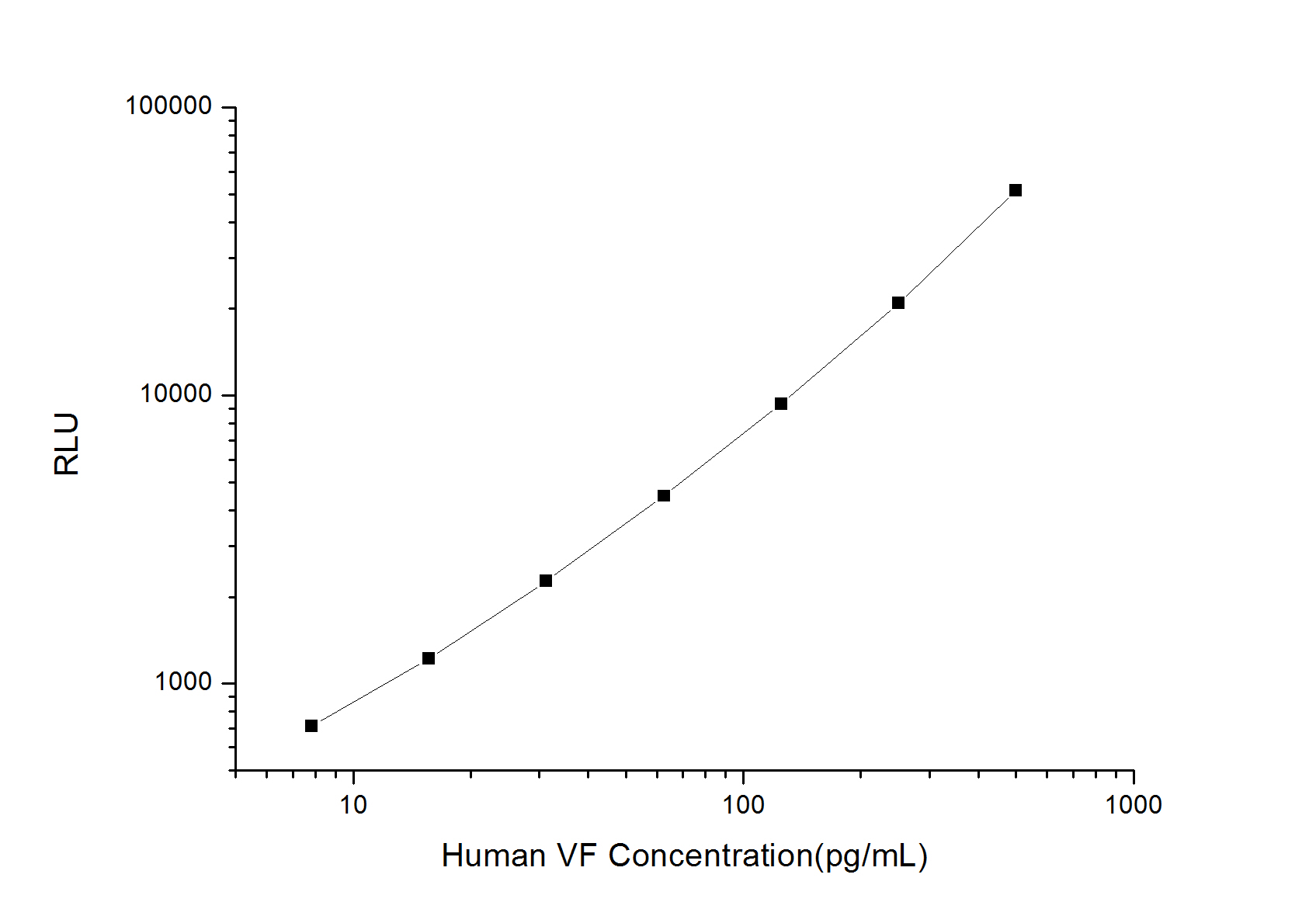 Human NAMPT/Visfatin CLIA Kit (STJC0000780)
Conventional ELISA vs Chemiluminescent CLIA
A head-to-head comparison of colorimetric ELISA against a magnetic-particle chemiluminescence immunoassay for serum alpha-fetoprotein found the chemiluminescent format needed less immunoreagent, ran faster and gave better linearity, recovery, precision and sensitivity than the colorimetric assay.3 The table below summarises how the two detection principles compare for a sandwich immunoassay of the same design.
| Property | Conventional ELISA | CLIA |
|---|---|---|
| Detection principle | Absorbance of a coloured product (TMB, ABTS) | Light emission from an HRP-luminol reaction |
| Readout instrument | Microplate spectrophotometer | Luminometer or CLIA analyzer |
| Sensitivity | Typically pg/mL range | Typically fg/mL to pg/mL range3 |
| Dynamic range | Narrower, generally 1-2 orders of magnitude | Broader, generally 3-5 orders of magnitude |
| Background signal | Higher, susceptible to absorbance interference | Lower, since light emission has minimal baseline signal |
| Assay format | Sandwich or competitive, HRP/TMB substrate | Sandwich, biotin-streptavidin/Avidin-HRP with luminol substrate |
| Result unit | Optical density (OD) | Relative Light Units (RLU) |
Oncology & Metabolic Disease
Circulating protein markers used to study tumour metabolism and general tumour cell proliferation.


Neurology & Brain Injury
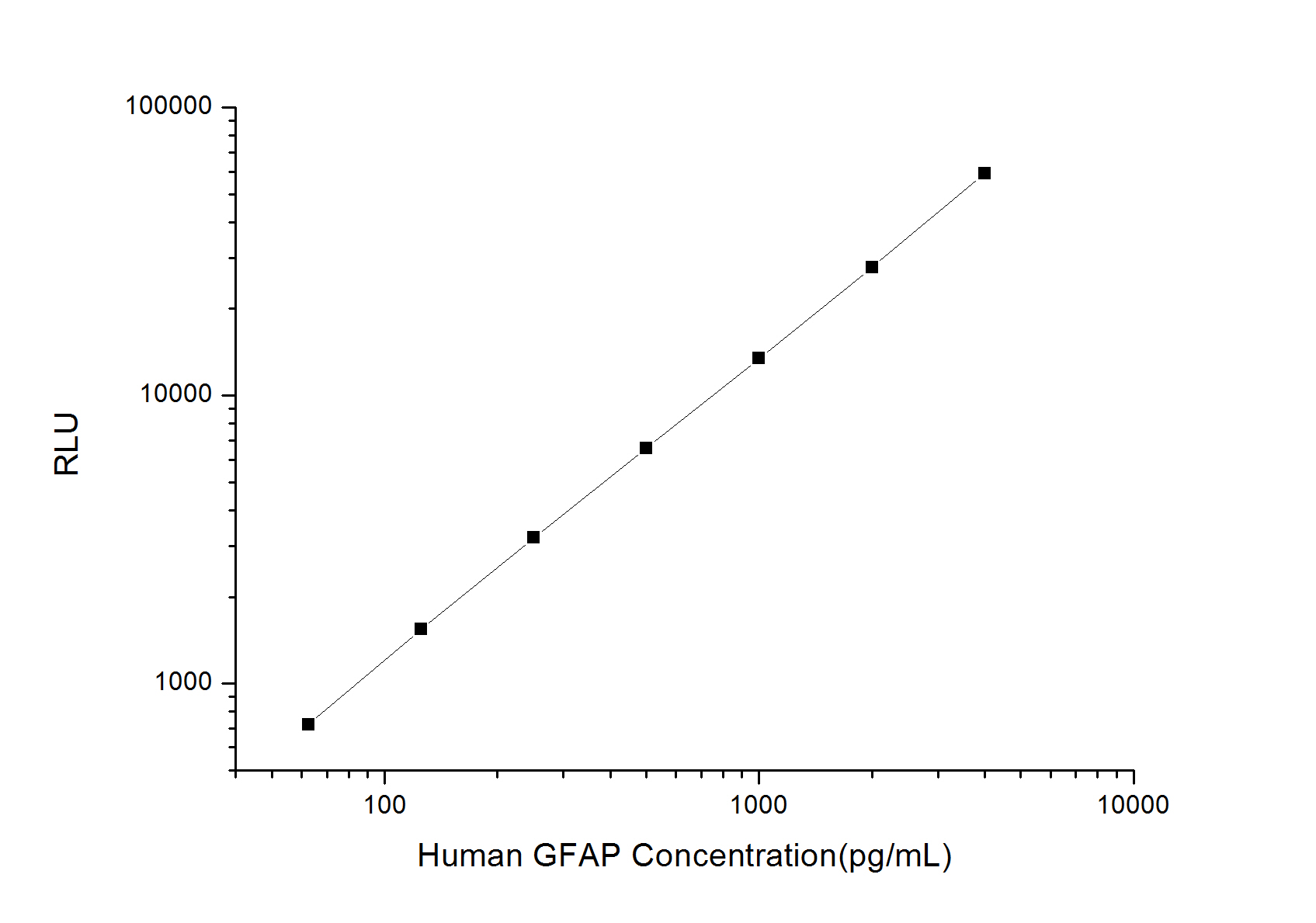
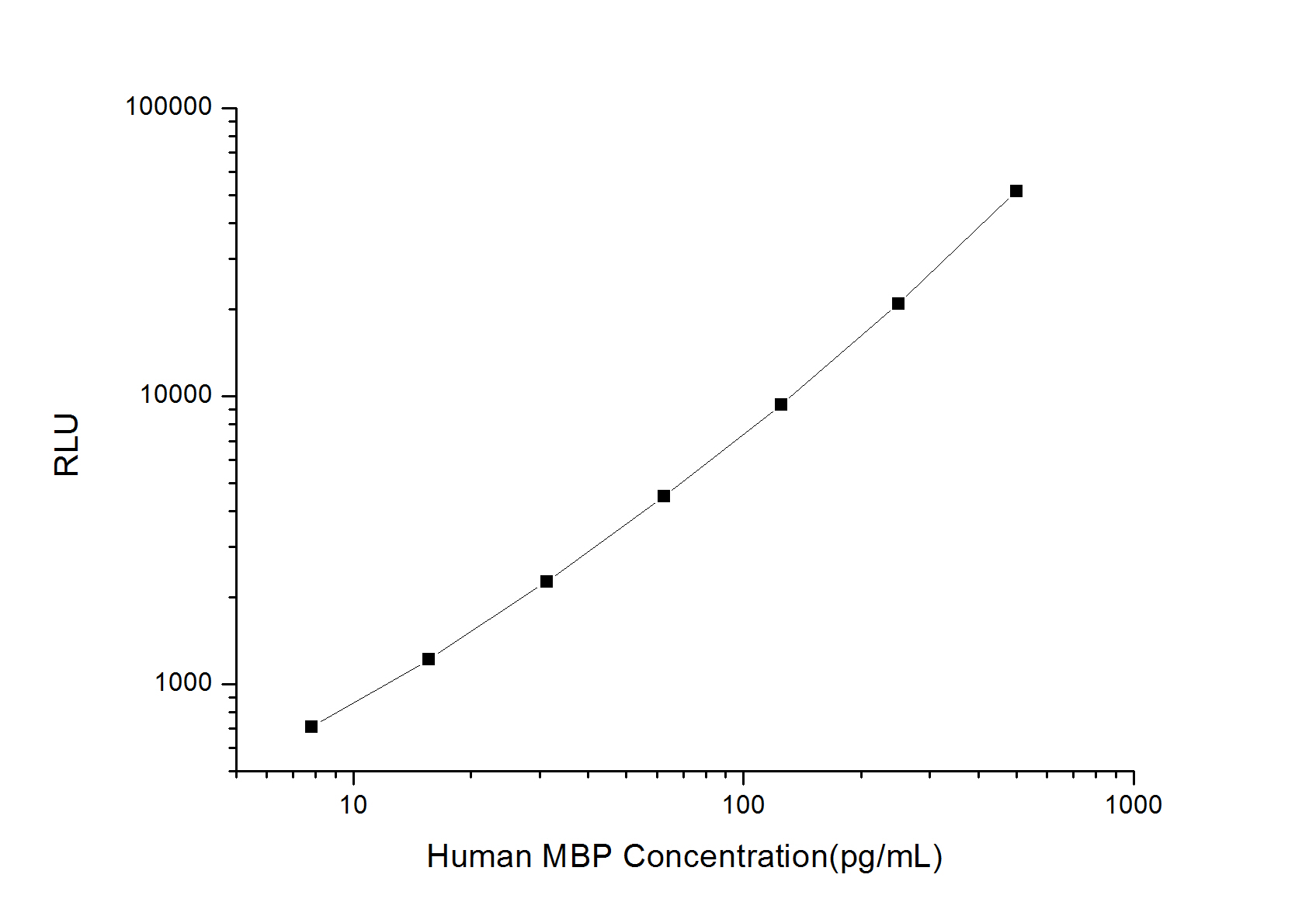
Glial, myelin and amyloid-clearance markers used to study neural injury, neurodegeneration and demyelination.


Cardiology & Haemostasis
Cardiac stress, myocardial injury and coagulation markers used in preclinical cardiovascular research.


Endocrinology & Metabolic Hormones
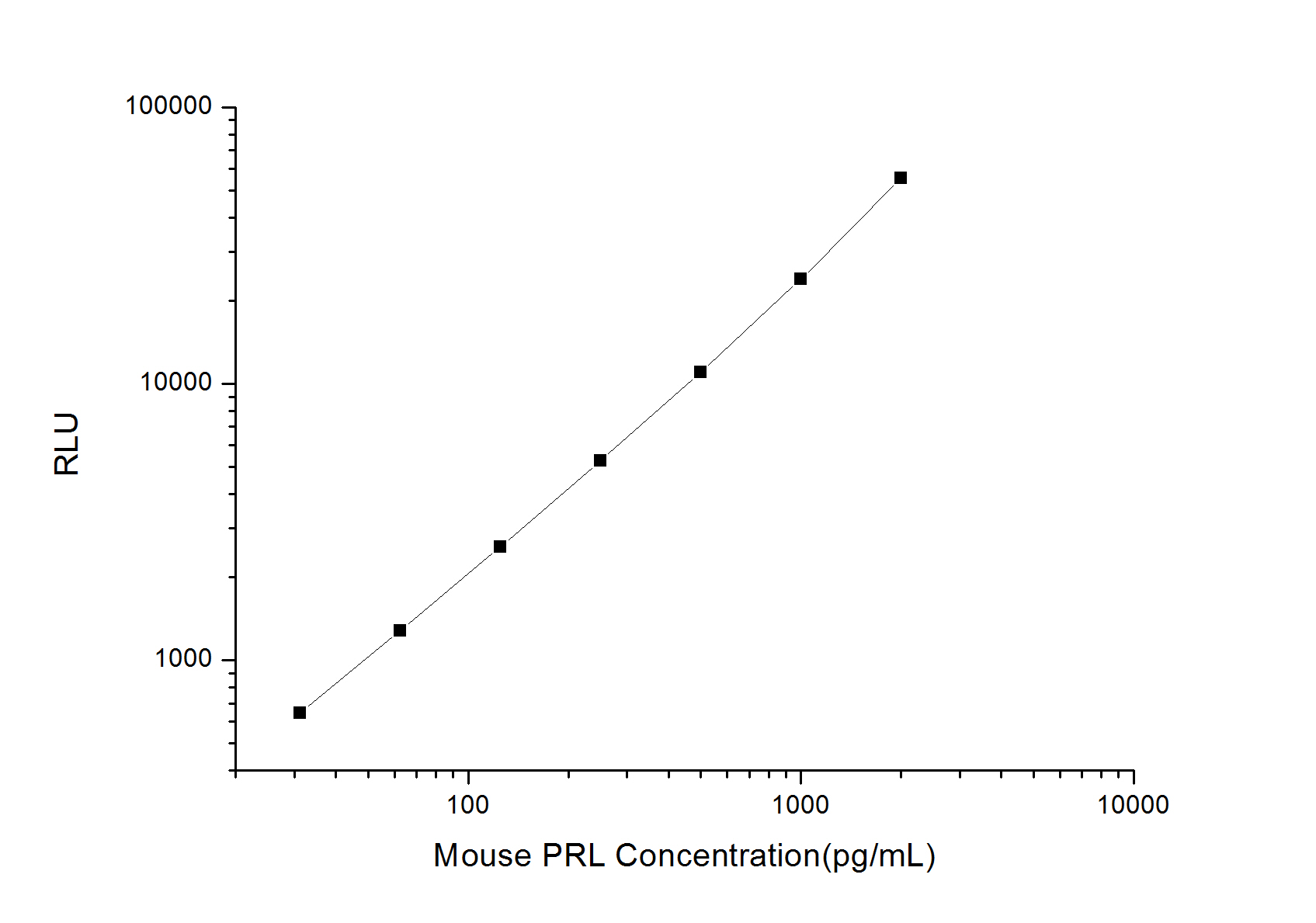
Adipokine, incretin and pituitary hormone targets used to study energy balance and metabolic signalling.


CLIA Kits by Species
Reactivity, the species the analyte itself belongs to, determines which kit fits your model organism. The tables below group kits available for Human, Mouse and Rat samples, expand a target to see the specific CLIA kit.
Human
| Target | Reactivity | Notes | Kits |
|---|---|---|---|
| TSH | Human | Thyroid-stimulating hormone, secreted by the anterior pituitary to regulate thyroid hormone production | |
| FSHR | Human | Follicle-stimulating hormone receptor, expressed on ovarian granulosa cells and testicular Sertoli cells, central to reproductive endocrinology research | |
| NAMPT (Visfatin) | Human | Rate-limiting enzyme in the NAD+ salvage pathway, overexpressed in multiple cancers | |
| S100B | Human | Glial protein marker of neural injury, released after traumatic brain injury or stroke | |
| NT-proBNP | Human | Marker of ventricular wall stress used in preclinical cardiac research | |
| TNNI3 | Human | Cardiac troponin I, released into circulation on myocardial injury | |
| Leptin (LEP) | Human | Adipocyte-derived hormone that regulates energy balance and appetite | |
| TPS | Human | Tissue polypeptide specific antigen, a cytokeratin-derived marker of cell proliferation | |
Mouse
| Target | Reactivity | Notes | Kits |
|---|---|---|---|
| TSH | Mouse | Thyroid-stimulating hormone, used in mouse models of thyroid and pituitary function | |
| IGF-1 | Mouse | Growth hormone-mediated peptide studied in metabolic and growth signalling research | |
| PRL | Mouse | Prolactin, a pituitary hormone studied in lactation, reproduction and stress-response research | |
Rat
| Target | Reactivity | Notes | Kits |
|---|---|---|---|
| TSH | Rat | Thyroid-stimulating hormone, used in rat models of thyroid and pituitary function | |
| Tn-T | Rat | Cardiac contractile protein used as a marker of myocardial injury | |
| IGFBP-1 | Rat | Binding protein that modulates IGF-1 bioavailability, studied in growth and metabolic regulation | |
Building a Sandwich CLIA Immunoassay
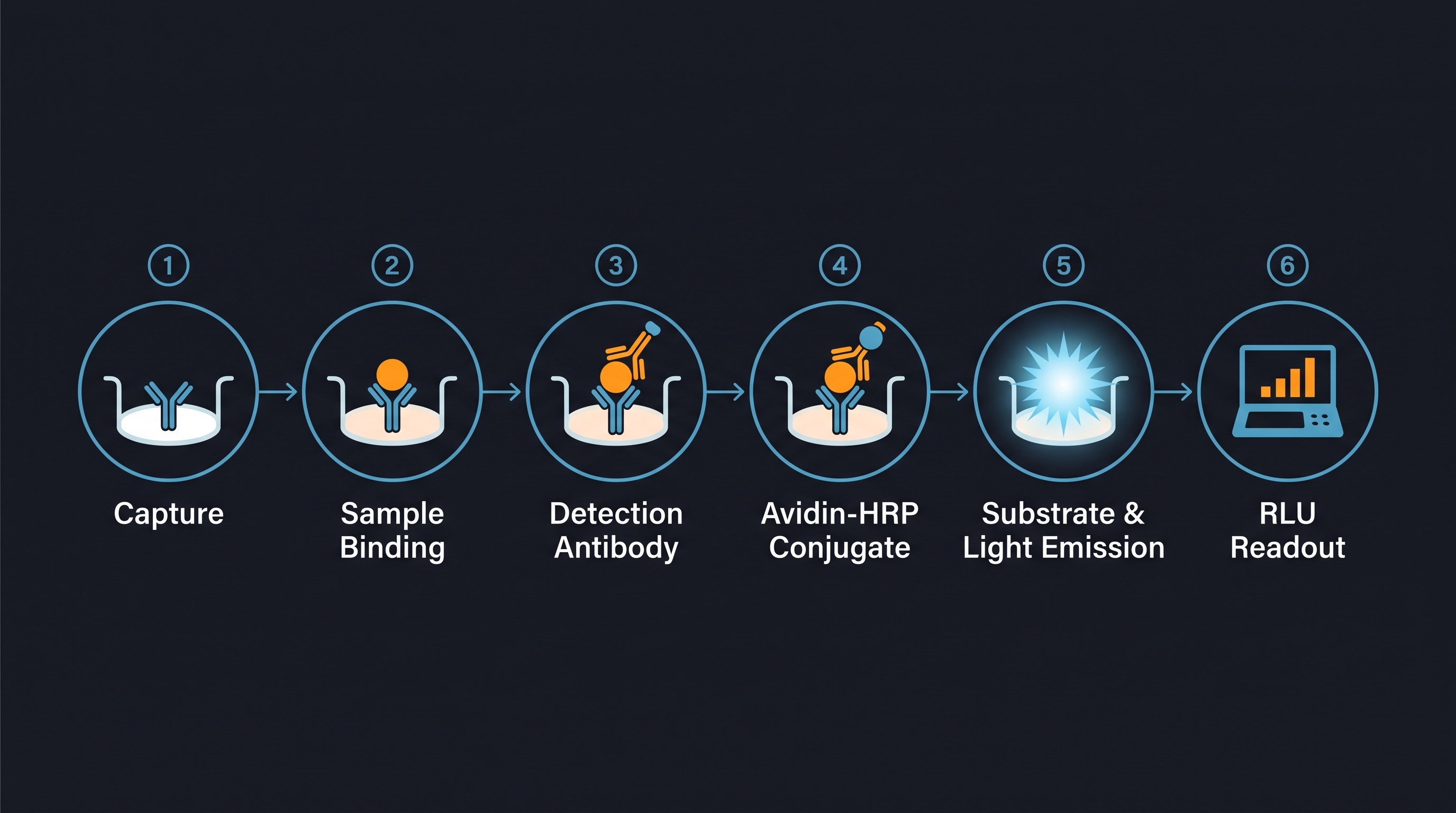
Each kit uses the same sandwich capture principle as ELISA, with a pre-coated capture plate, detection antibody and HRP conjugate.2 Incubation timing, sample dilution and substrate development still benefit from optimisation for your specific sample type. The six steps below outline the standard sandwich CLIA workflow used across our range.
Learning and Support
Setting up a CLIA test kit for the first time?
Read our step-by-step guide: Direct ELISA Protocol, or see how to build and read a standard curve from serial dilutions, which applies equally to RLU-based CLIA data.
Not sure which target or reactivity fits your CLIA assay development plans? Talk to us and our team can help you select the right kit.
Can't Find Your Target?
Browse the full CLIA kit portfolio, or contact us if your target isn't listed and we'll help source or develop the right kit.
Browse CLIA Kits1. Zhao L, Sun L, Chu X. Chemiluminescence immunoassay. TrAC Trends Anal Chem. 2009;28(4):404-415.
2. Lequin RM. Enzyme immunoassay (EIA)/enzyme-linked immunosorbent assay (ELISA). Clin Chem. 2005;51(12):2415-2418.
3. Zhang QY, Chen H, Lin Z, Lin JM. Comparison of chemiluminescence enzyme immunoassay based on magnetic microparticles with traditional colorimetric ELISA for the detection of serum alpha-fetoprotein. J Pharm Anal. 2012;2(2):130-135.
For Research Use Only. All products are intended for research purposes and are not for use in diagnostic or other medical procedures.