
Goat Polyclonal Antibodies
St John's Laboratory's goat polyclonal antibody range (STJ140 series) delivers broad epitope coverage across the widest range of validated species, from common models to rare agricultural and exotic species. Validated for WB, IF, IHC-P and IHC-F across research areas including oncology, neuroscience, cell biology, imaging and infectious disease.
Browse Full Goat Polyclonal RangeBackground to Goat Polyclonal Antibodies
How Goat Polyclonal Antibodies Are Produced
Goat polyclonal antibodies are produced in much the same way as polyclonals from other host animals. Like other mammalian hosts, goats produce IgG isotype antibodies that are well suited to a broad range of research applications including western blotting, immunohistochemistry, immunofluorescence and ELISA.
Production begins with immunisation using a specific antigen sequence, which triggers a sustained immune response. Goat antibody titres are typically high, and can be further elevated through secondary or tertiary immunisation cycles. Once the immunisation programme is complete, antibodies are collected from serum and purified to research grade.
The STJ140 series antibodies are manufactured in the EU, purified by affinity chromatography and supplied at a starting concentration of 2 mg/mL.
Why Use a Goat Host?
The primary advantage of goat-derived polyclonal antibodies is serum volume. Compared to smaller host animals such as rabbit or mouse, goats yield considerably larger volumes of high-concentration serum per extraction. Fewer bleeds are required to produce larger working quantities of antibody, which translates to greater lot consistency and more cost-effective production at scale.
- Higher serum yield per animal than rabbit or mouse hosts
- Broad species cross-reactivity across up to 17 validated species per product
- Multi-epitope recognition for robust signal in complex samples
- EU manufactured for consistent, traceable production
- Supplied from 2 mg/mL · Free shipping on eligible orders
Why Choose a Goat Polyclonal Antibody?
Broadest Species Coverage
Goat polyclonals offer validated reactivity across up to 17 species including human, mouse, rat, bovine, porcine, rabbit, sheep, chicken, canine, feline, equine and simian. This covers almost any model organism in use in a typical research lab.
Multi-Epitope Recognition
Polyclonal antibodies recognise multiple epitopes on the target protein. This results in a stronger, more robust signal compared to monoclonals, which is particularly useful for WB detection of low-abundance targets.
Validated Across Applications
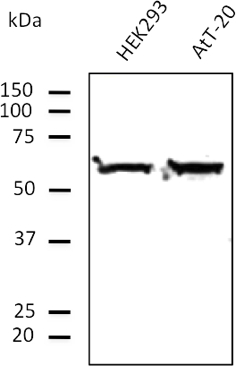
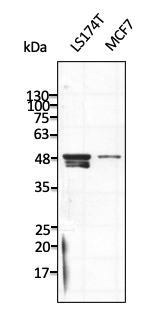
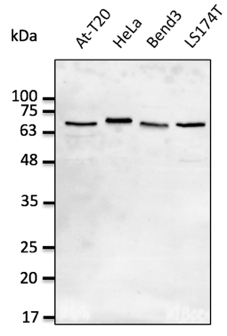
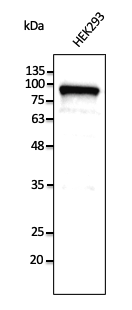
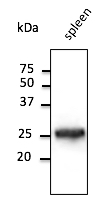
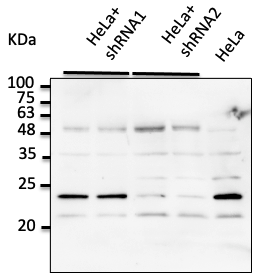
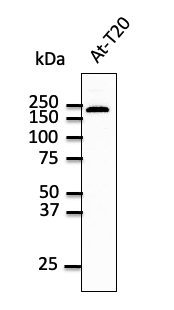
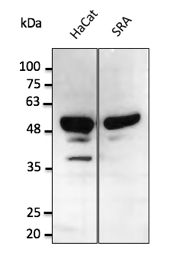
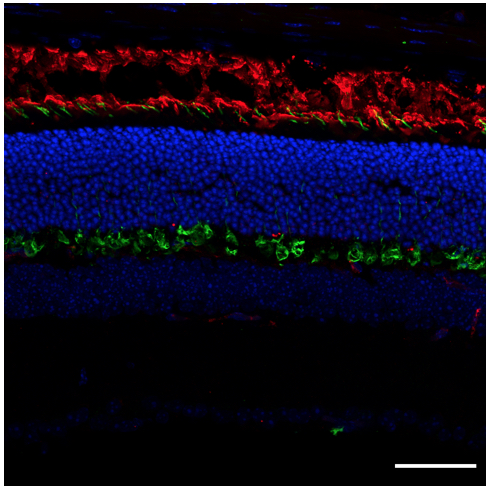
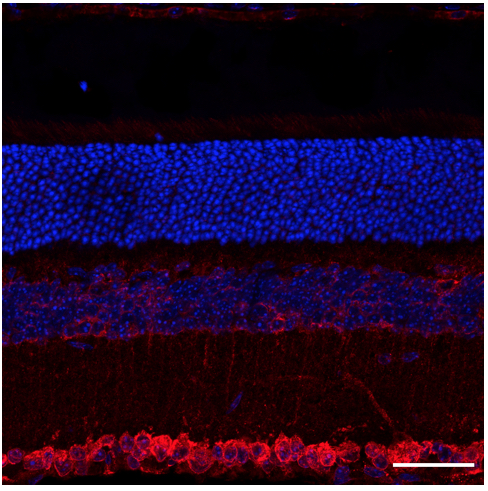
Every antibody in the STJ140 series is supplied with a datasheet. Where available, representative western blot images, IF staining and IHC images are included to support your assay development.
DyLight Conjugates Available
Key targets including GAPDH, Calnexin and GFP are available pre-conjugated to DyLight 405, 488, 550 and 633, enabling secondary-free detection in multi-channel IF experiments.
Fluorescent Protein Tag Antibodies
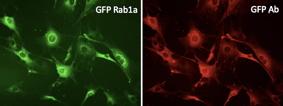
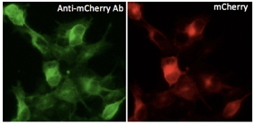
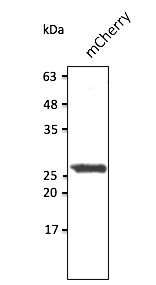
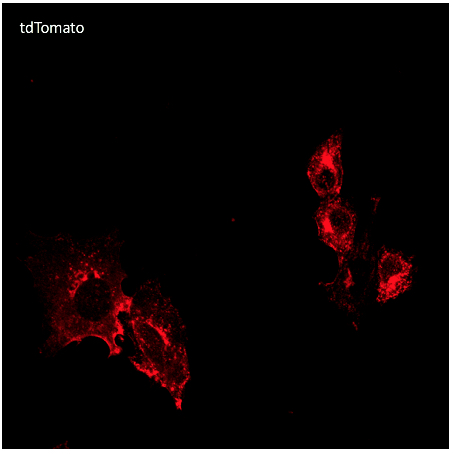
Detect GFP, RFP and related fluorescent fusion proteins in fixed cells and tissue sections. Many products show broad cross-reactivity across multiple fluorescent protein variants. For example, anti-RFP reacts with mCherry, tdTomato and DsRed, making a single antibody useful across a range of reporter constructs. Please check the individual datasheet for recommended applications and dilutions.
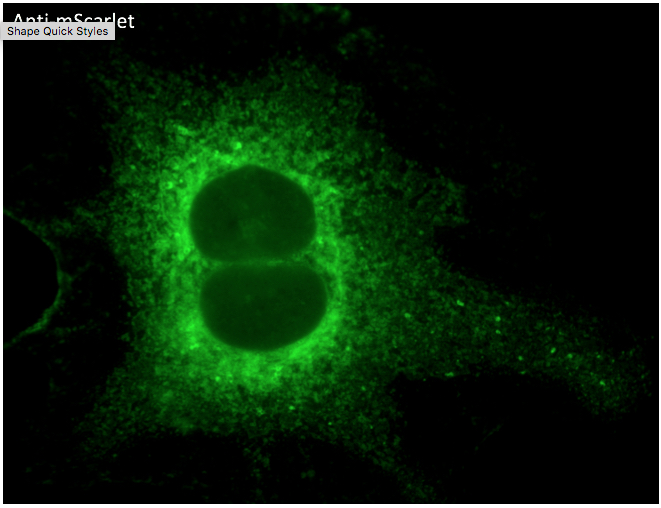
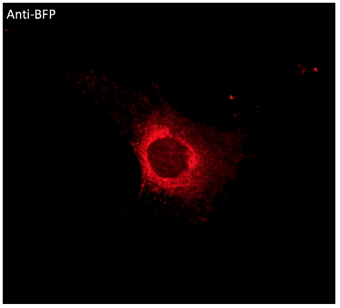
Loading Controls & Structural Proteins
Reliable housekeeping and cytoskeletal markers for normalising western blot signal across experimental conditions. GAPDH, Beta-Actin and Tubulin antibodies are validated across 17 species, making them suitable for studies in less common model organisms as well as standard human, mouse and rat samples. GAPDH is also available pre-conjugated to DyLight fluorophores for direct fluorescence western blotting without requiring a secondary antibody. Lamin A/C is included for nuclear fractionation controls.
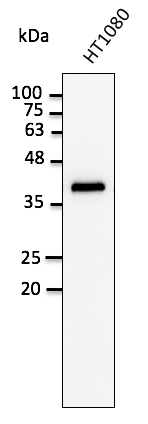
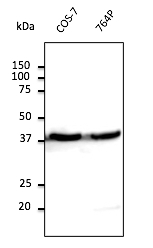
ER, Golgi & Vesicle Trafficking
Antibodies targeting the major intracellular trafficking compartments, from ER through to early, late and recycling endosomes. RAB GTPases are key regulators of vesicle budding, motility and fusion, and this series provides validated detection of RAB5A (early endosomes), RAB7A (late endosomes/lysosomes) and RAB11A (recycling endosomes). EEA1 provides a complementary early endosome marker, while Cathepsin D marks the lysosomal compartment. Calnexin is also available in DyLight-conjugated formats for secondary-free ER co-localisation studies in multi-channel imaging.


Oncology & Cell Signalling
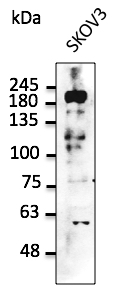
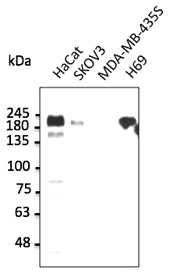
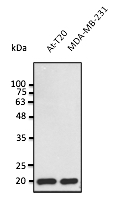
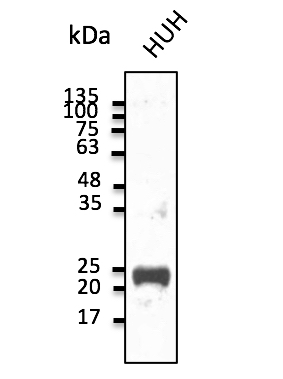
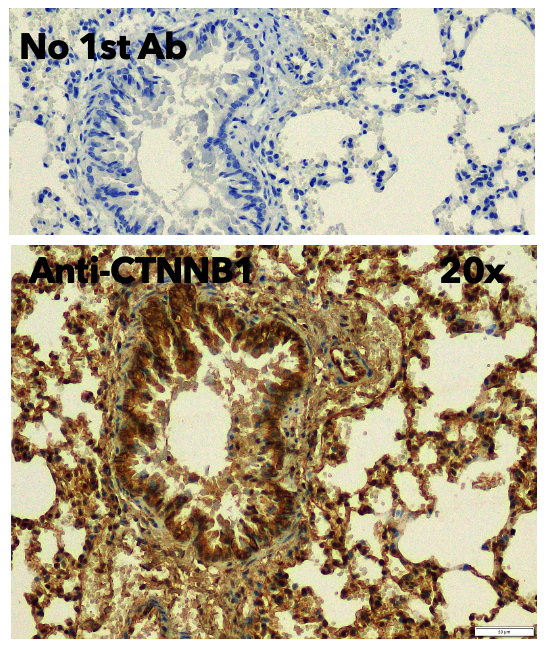
A focused panel of antibodies covering key nodes in cancer biology: tumour suppression (TP53), receptor tyrosine kinase signalling (EGFR, ERBB2/HER2), apoptosis (BAX, BCL2) and Wnt pathway activity (Beta-Catenin/CTNNB1). These antibodies support both mechanistic cell biology studies and translational research in human and preclinical tissue samples. Broad species reactivity across up to 17 species makes them equally useful for in vivo mouse and rat model work. Please check individual datasheets for confirmed applications.
Angiogenesis & Hypoxia
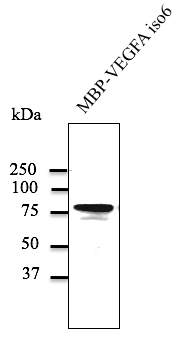
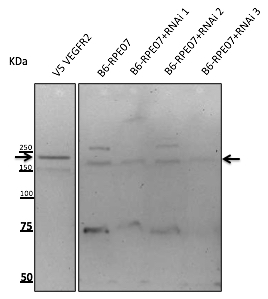
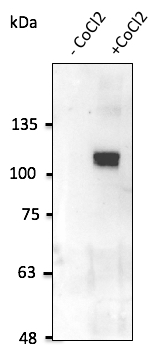
Validated antibodies for the VEGF/VEGFR signalling axis and endothelial biology. VEGFA and KDR/VEGFR2 support studies of angiogenic signalling in tumour vasculature, wound healing and ischaemia models. HIF1A enables detection of hypoxic response in a wide range of cell and tissue types. PECAM1/CD31 is a well-established endothelial cell marker useful for quantifying vessel density and endothelial integrity in histological sections.
Immune Cell Markers
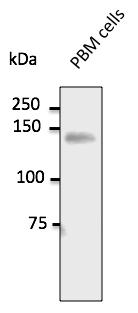
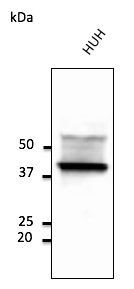
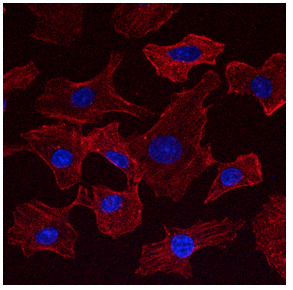
A core set of CD marker antibodies for identifying and characterising immune cell populations in tissue sections and cell lysates. CD4 and CD19 support T and B cell studies respectively; CD45/PTPRC serves as a pan-leucocyte marker for quantifying immune infiltration in tissue. CD63 is widely used in exosome biology and endosomal trafficking studies, while CD9 is a tetraspanin marker relevant to exosome characterisation, cell migration and viral entry research. Please check individual datasheets for confirmed applications and species reactivity per product.
Neuroscience Markers
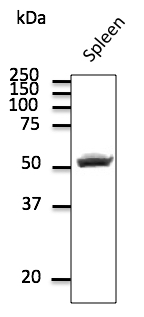
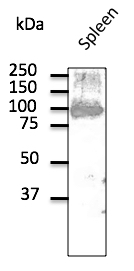
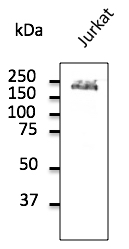
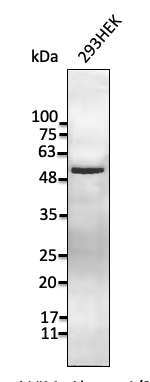
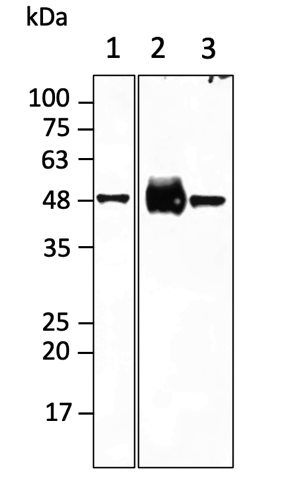
Validated markers for key cell types and pathological targets in CNS research. GFAP is the defining marker of astrocytes and reactive gliosis, widely used in studies of brain injury, neurodegeneration and glioma. Vimentin marks reactive astrocytes, neural progenitors and mesenchymal cells. TAU is a core target in Alzheimer's disease and other tauopathy research, with applications in human, mouse and rat tissue. Connexin-43/GJA1 supports studies of gap junction communication in the brain and heart.


SARS-CoV-2 Antibodies
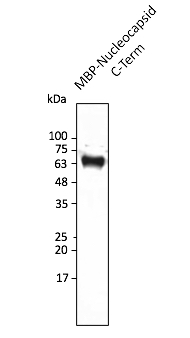
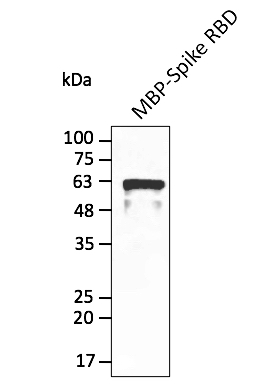
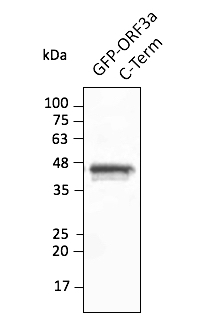
Goat polyclonal antibodies raised against SARS-CoV-2 structural and non-structural proteins, produced in response to the urgent research need following the 2020 pandemic. The Nucleocapsid antibody targets the C-terminal region (aa 280 to stop) and has been tested in WB, IF and IHC. The Spike-RBD antibody targets the receptor binding domain (aa 320–420), the region critical for ACE2 interaction, and has been tested in WB and ELISA. ORF3a targets a viroporin implicated in inflammasome activation and viral pathogenesis.
Goat Secondary Antibodies (DyLight Conjugated)
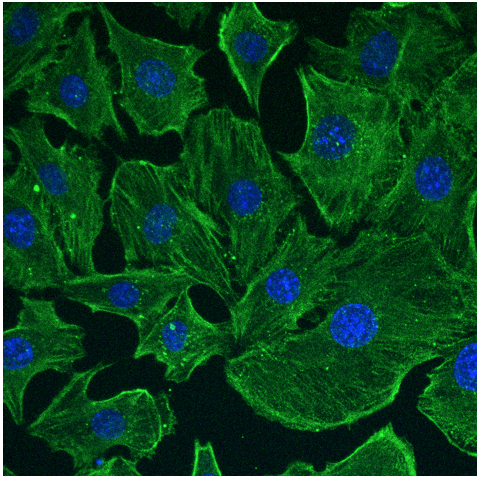
DyLight-conjugated goat secondary antibodies designed for use with mouse and rabbit primary antibodies in immunofluorescence and flow cytometry workflows. Available across multiple wavelengths, from violet (405 nm) through to far-red (633 nm), enabling flexible panel design in multi-colour experiments. DyLight dyes offer high brightness and photostability, making them a cost-effective choice for routine IF. For expanded wavelength coverage including 650, 680 and 800 nm, see the full DyLight secondary antibody range.

Our Commitment to You
1 year guarantee
on all antibodies
17 validated
species including
rare models
Datasheets with
validation images
included
Free shipping
check local agent
for availability
Technical support
Mon–Fri
9 am – 6 pm
Looking for a Specific Target?
We have over 300 goat polyclonal antibodies in the STJ140 series. Use our full catalogue search or contact our technical team for guidance.
Browse Full Range