



Anti-S100A10 antibody [6F4-E6-D5-C10] (STJA0032492)
SPECIFICATIONS
ClonalityMonoclonal
HostMouse
ConjugationUnconjugated
IsotypeIgG2a
ImmunogenPurified recombinant mouse S100A10 protein fragments expressed in E.coli.
General Information
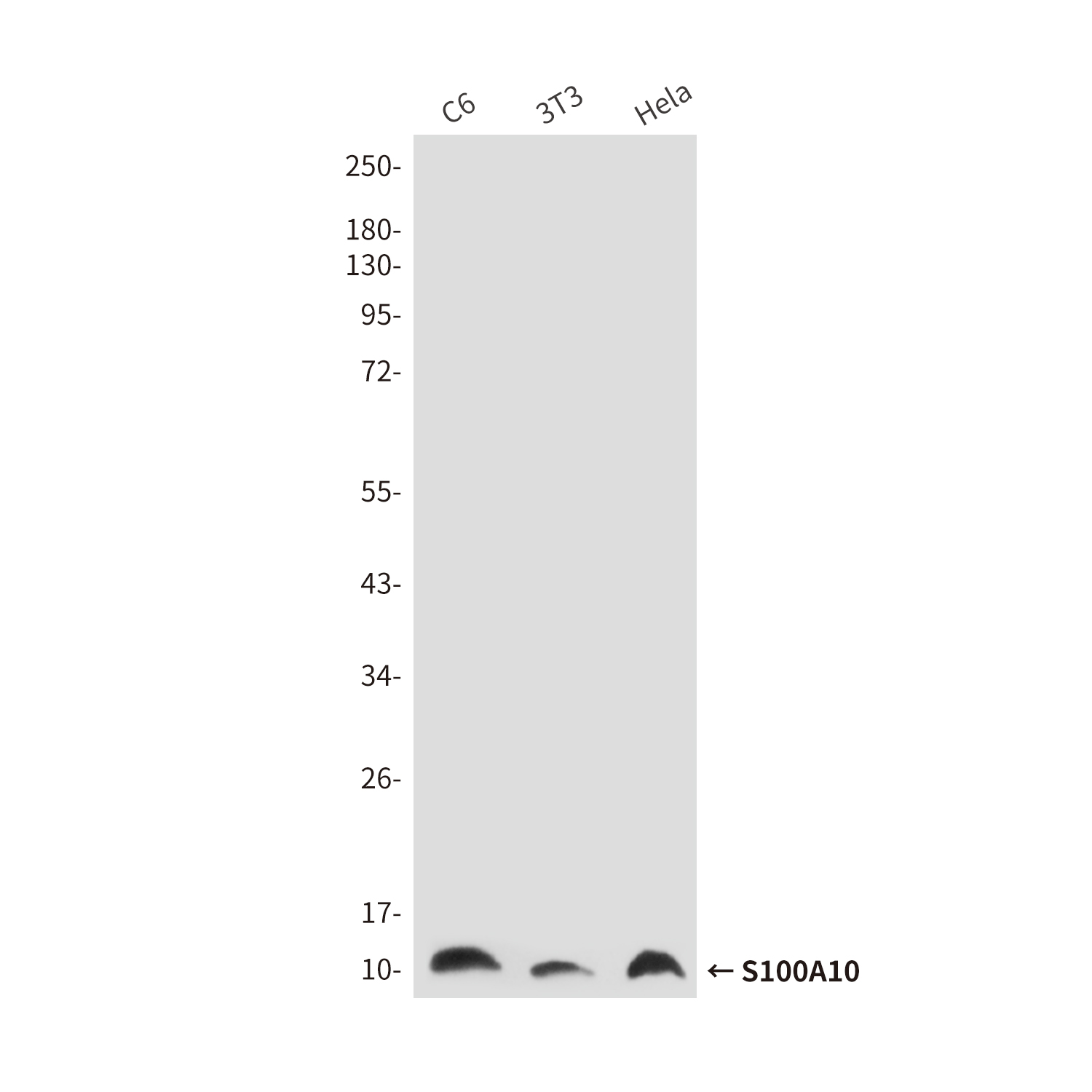
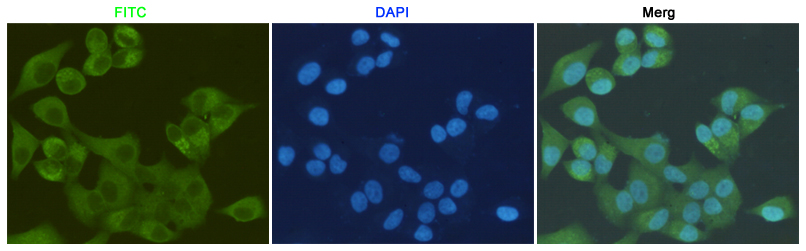
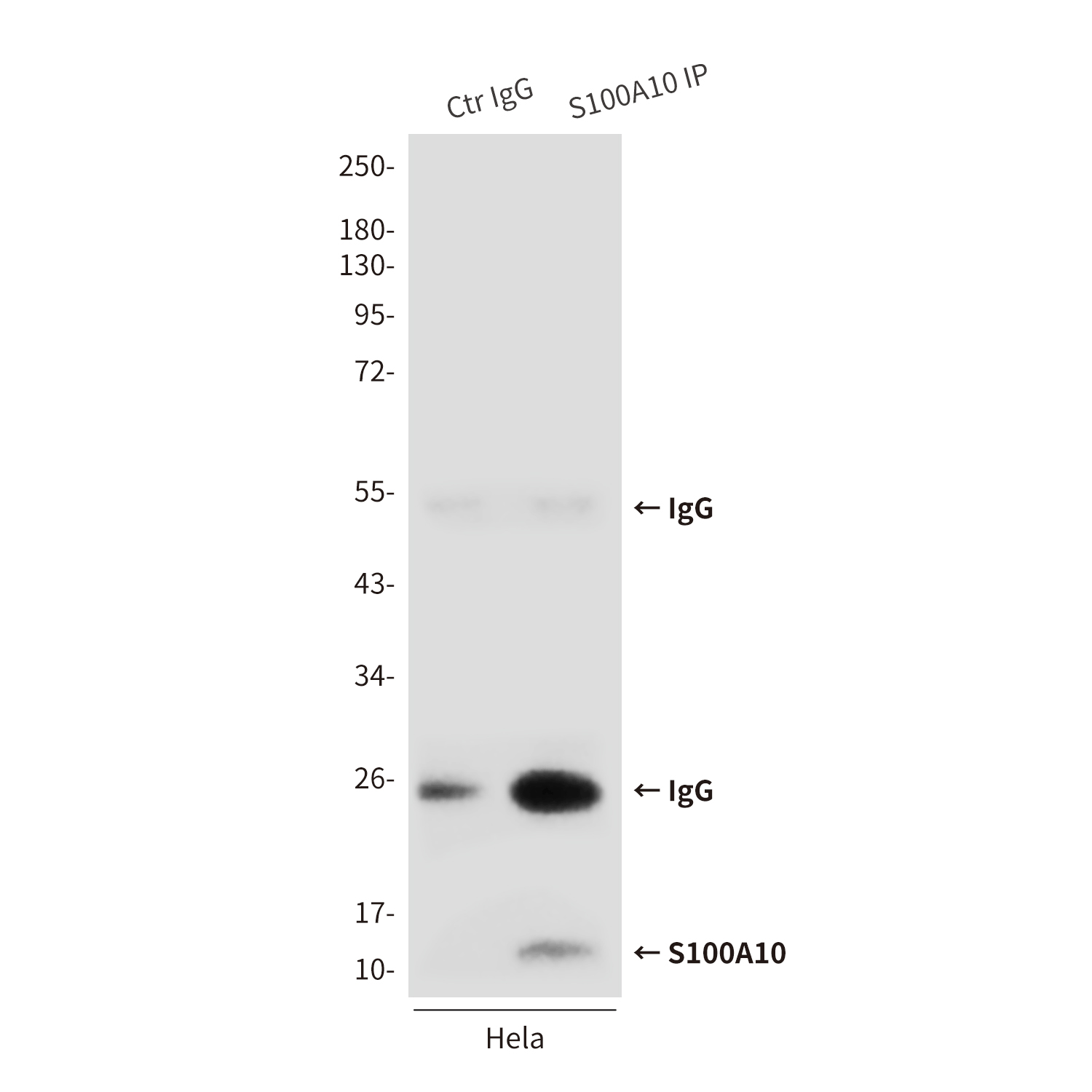
| Short Description | Mouse monoclonal anti-S100A10 for use in WB, ICC, IF and IP in Human, Mouse and Rat samples. Datasheet included with dilution recommendations, and related reagents. |
| Applications | WB/ICC/IF/IP |
| Host | Mouse |
| Reactivity | Human/Mouse/Rat |
| Note | STRICTLY FOR FURTHER SCIENTIFIC RESEARCH USE ONLY (RUO). MUST NOT TO BE USED IN DIAGNOSTIC OR THERAPEUTIC APPLICATIONS. |
Product Properties
| Clonality | Monoclonal |
| Clone ID | 6F4-E6-D5-C10 |
| Isotype | IgG2a |
| Conjugation | Unconjugated |
| Concentration | 3.4 mg/mL |
| Purification | Affinity Purified |
| Dilution Range | WB 1:500-1:1000IF 1:50-1:200IP 1:20 |
| Formulation | Liquid in PBS containing 50% glycerol, 0.5% BSA and 0.02% sodium azide, pH 7.3. |
| Storage Instruction | Store at 4°C short term. Aliquot and store at-20°C long term. Avoid freeze/thaw cycles. |
Target Information
| Gene Symbol | S100a10 |
| Gene ID | 20194 |
| Uniprot ID | S10AA_MOUSE |
| Immunogen | Purified recombinant mouse S100A10 protein fragments expressed in E.coli. |
Additional Info
| Function | Because S100A10 induces the dimerization of ANXA2/p36, it may function as a regulator of protein phosphorylation in that the ANXA2 monomer is the preferred target (in vitro) of tyrosine-specific kinase. |
| Protein Name | Protein S100-A10Calpactin I Light ChainCalpactin-1 Light ChainCellular Ligand Of Annexin IiS100 Calcium-Binding Protein A10P10 ProteinP11 |
| Database Links | Reactome: R-MMU-75205 |
| Cellular Localisation | |
| Alternative Antibody Names | Anti-Protein S100-A10 antibodyAnti-Calpactin I Light Chain antibodyAnti-Calpactin-1 Light Chain antibodyAnti-Cellular Ligand Of Annexin Ii antibodyAnti-S100 Calcium-Binding Protein A10 antibodyAnti-P10 Protein antibodyAnti-P11 antibodyAnti-S100a10 antibodyAnti-Cal1l antibody |
Information sourced from Uniprot.org