


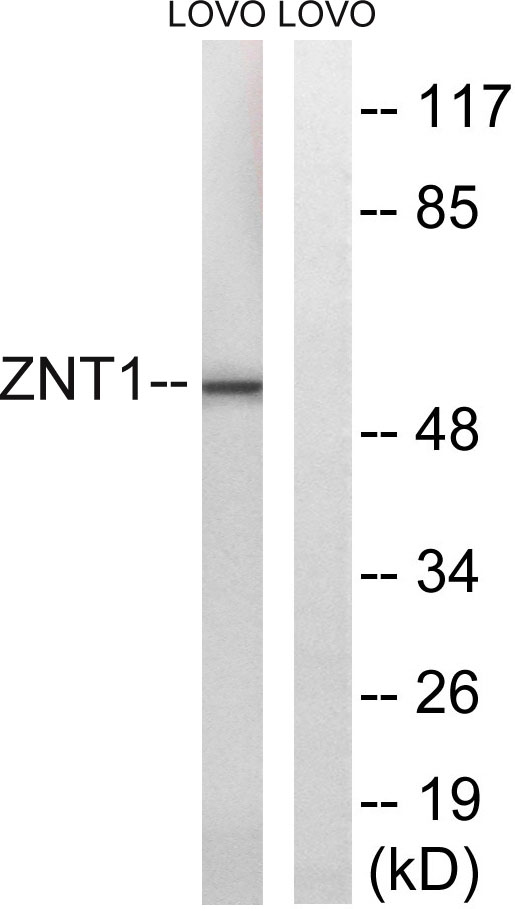
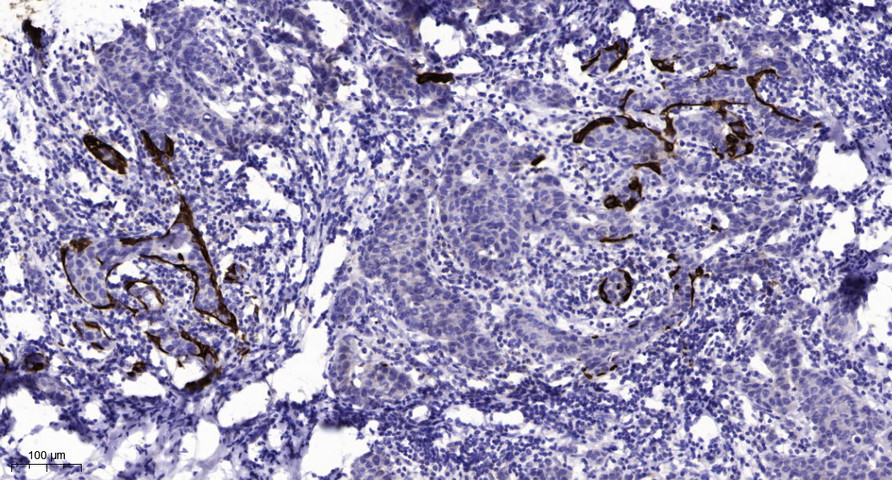

Anti-SLC30A1 antibody (201-250 aa) (STJ96352)
SPECIFICATIONS
ClonalityPolyclonal
HostRabbit
ConjugationUnconjugated
IsotypeIgG
ImmunogenThe antiserum was produced against synthesized peptide derived from the human SLC30A1 at the amino acid range 201-250
General Information
| Short Description | Rabbit polyclonal anti-Proton-coupled zinc antiporter SLC30A1 (201-250 aa) for use in WB, IHC, IF and ELISA in Human, Rat and Mouse samples. Datasheet included with dilution recommendations, and related reagents. |
| Applications | WB/IHC/IF/ELISA |
| Host | Rabbit |
| Reactivity | Human/Rat/Mouse |
| Note | STRICTLY FOR FURTHER SCIENTIFIC RESEARCH USE ONLY (RUO). MUST NOT TO BE USED IN DIAGNOSTIC OR THERAPEUTIC APPLICATIONS. |
Product Properties
| Clonality | Polyclonal |
| Isotype | IgG |
| Conjugation | Unconjugated |
| Concentration | 1 mg/mL |
| Purification | The antibody was affinity-purified from rabbit antiserum by affinity-chromatography using epitope-specific immunogen. |
| Dilution Range | WB 1:500-1:2000IHC 1:100-1:300ELISA 1:5000IF 1:50-200 |
| Formulation | Liquid in PBS containing 50% Glycerol, 0.5% BSA and 0.02% Sodium Azide. |
| Storage Instruction | Store at-20°C for up to 1 year from the date of receipt, and avoid repeat freeze-thaw cycles. |
Target Information
| Gene Symbol | SLC30A1 |
| Gene ID | 7779 |
| Uniprot ID | ZNT1_HUMAN |
| Immunogen | The antiserum was produced against synthesized peptide derived from the human SLC30A1 at the amino acid range 201-250 |
| Immunogen Region | 201-250 aa |
| Specificity | ZnT-1 Polyclonal Antibody detects endogenous levels of ZnT-1 protein. |
Additional Info
| Function | Zinc ion:proton antiporter that could function at the plasma membrane mediating zinc efflux from cells against its electrochemical gradient protecting them from intracellular zinc accumulation and toxicity. Alternatively, could prevent the transport to the plasma membrane of CACNB2, the L-type calcium channels regulatory subunit, through a yet to be defined mechanism. By modulating the expression of these channels at the plasma membrane, could prevent calcium and zinc influx into cells. By the same mechanism, could also prevent L-type calcium channels-mediated heavy metal influx into cells. In some cells, could also function as a zinc ion:proton antiporter mediating zinc entry into the lumen of cytoplasmic vesicles. In macrophages, can increase zinc ions concentration into the lumen of cytoplasmic vesicles containing engulfed bacteria and could help inactivate them. Forms a complex with TMC6/EVER1 and TMC8/EVER2 at the ER membrane of keratynocytes which facilitates zinc uptake into the ER. Down-regulates the activity of transcription factors induced by zinc and cytokines. |
| Protein Name | Proton-Coupled Zinc Antiporter Slc30a1Solute Carrier Family 30 Member 1Zinc Transporter 1 |
| Database Links | Reactome: R-HSA-435368 |
| Cellular Localisation | Cell MembraneMulti-Pass Membrane ProteinBasolateral Cell MembraneCytoplasmic Vesicle MembraneCytoplasmEndoplasmic Reticulum MembraneGolgi Apparatus MembraneNucleus MembraneLocalization To The Plasma Membrane Is Regulated By Cellular Zinc StatusRecruitment To The Plasma Membrane From An Internal Pool Is Stimulated By Zinc While In Absence Of Zinc The Plasma Membrane Pool Is Endocytosed And DegradedLocalizes To The Basolateral Surface Of EnterocytesLocalizes To Zinc-Containing Intracellular Vesicles In MacrophagesLocalizes In The Cytoplasm And To The ErGolgi And Nucleus Membranes In Keratinocytes |
| Alternative Antibody Names | Anti-Proton-Coupled Zinc Antiporter Slc30a1 antibodyAnti-Solute Carrier Family 30 Member 1 antibodyAnti-Zinc Transporter 1 antibodyAnti-SLC30A1 antibodyAnti-ZNT1 antibody |
Information sourced from Uniprot.org