


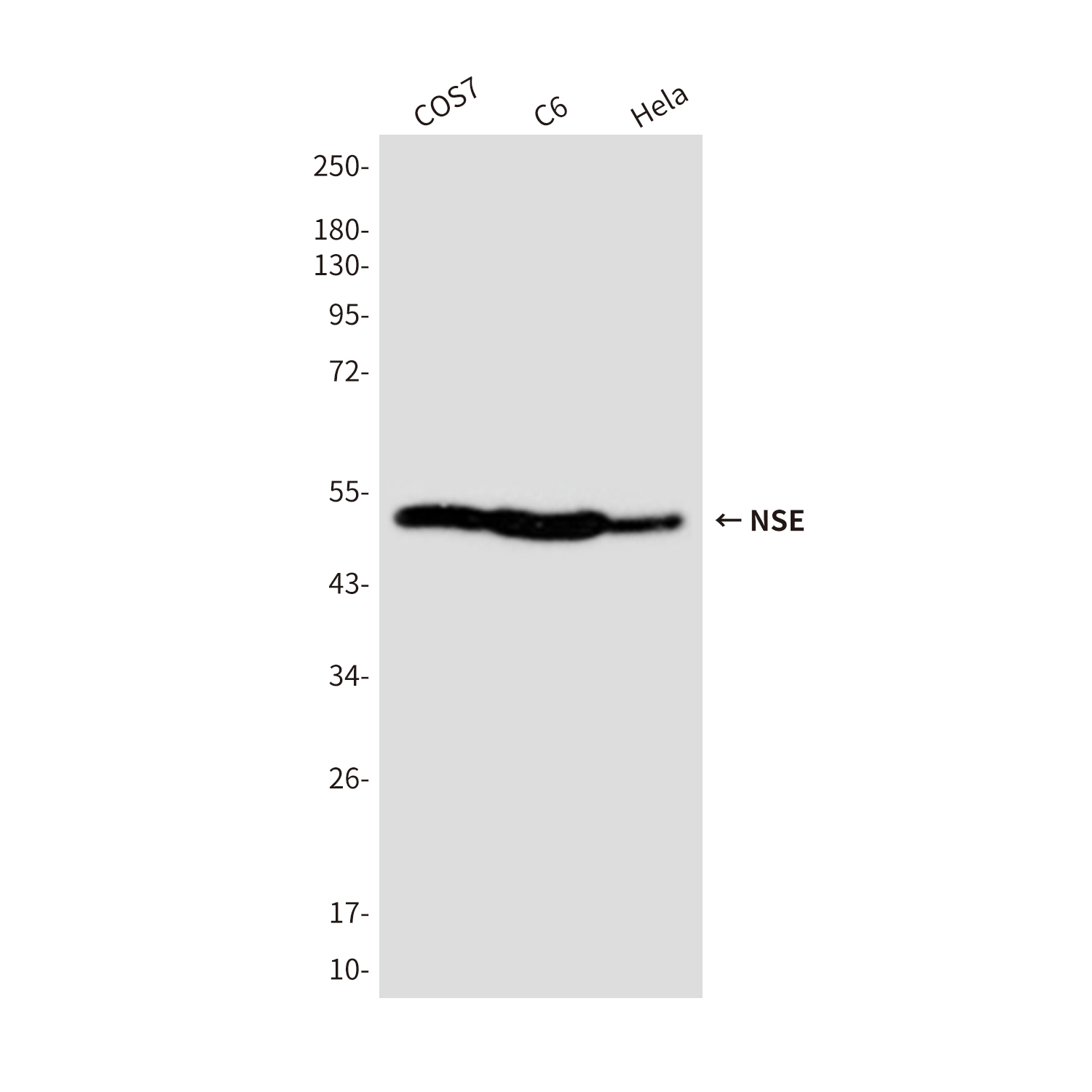
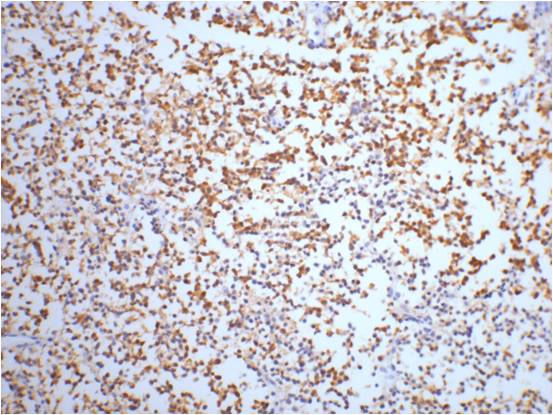
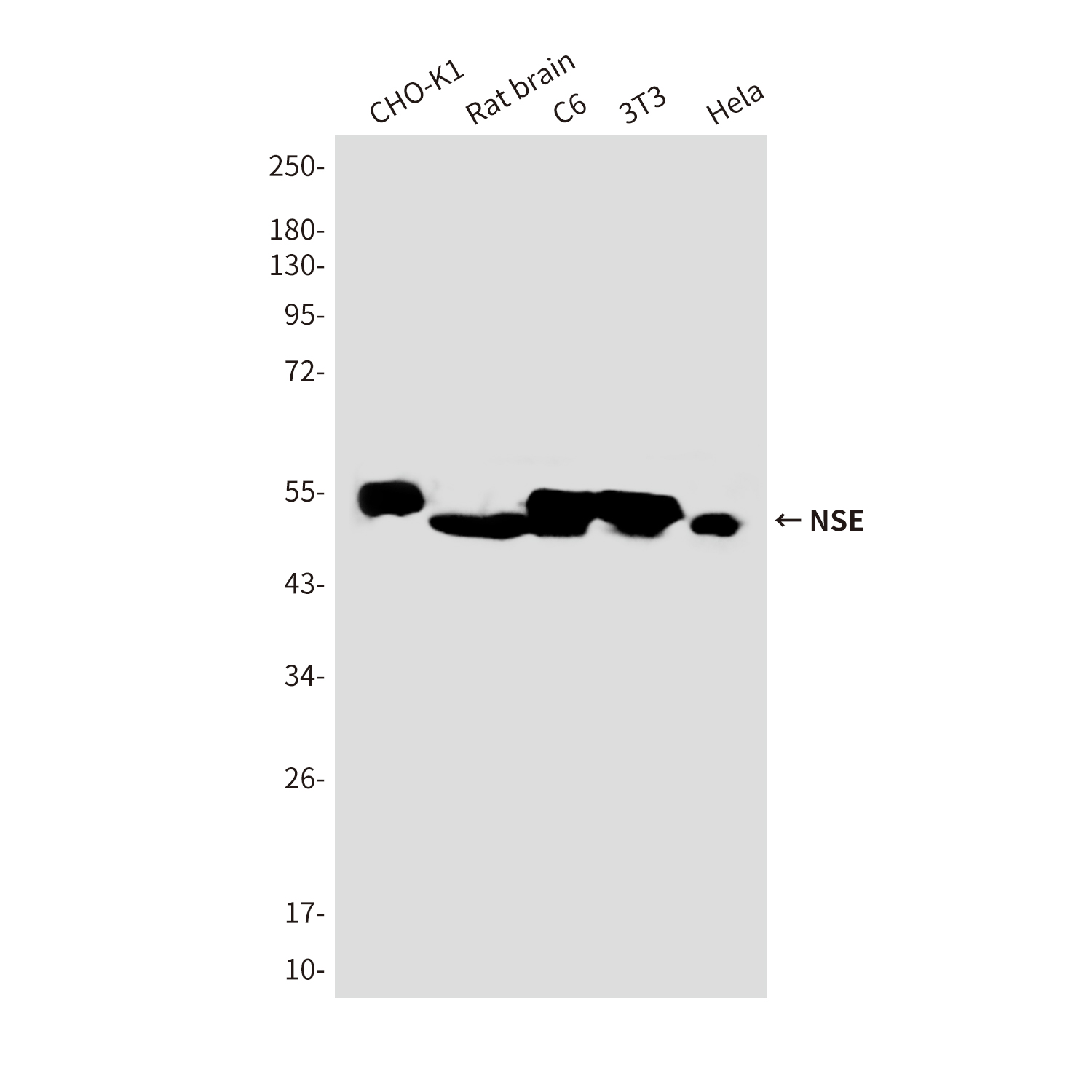
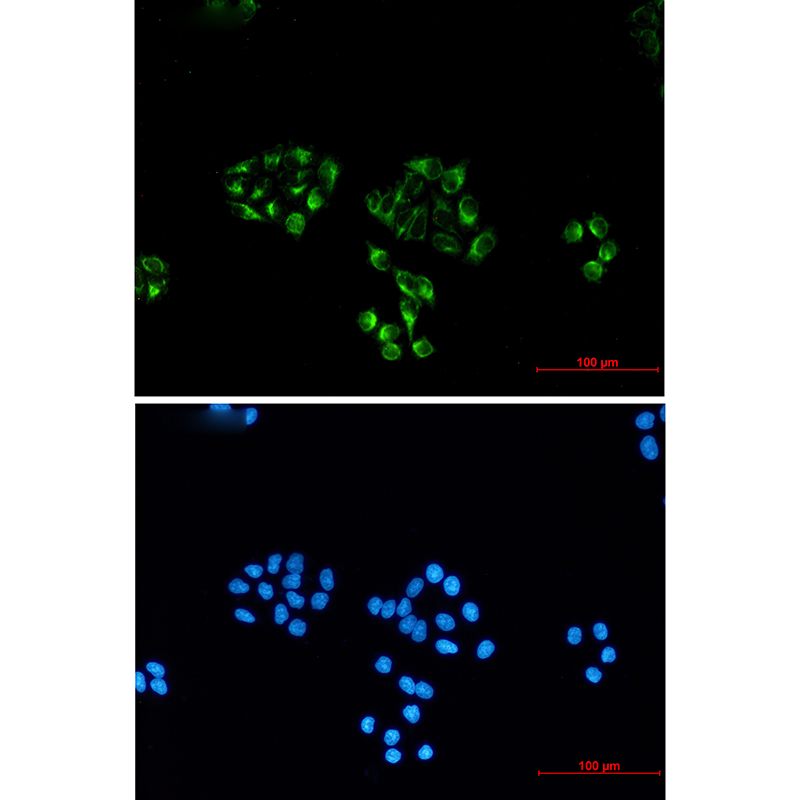

Anti-NSE antibody [4C7-4F10-10F9] (STJA0032779)
SPECIFICATIONS
ClonalityMonoclonal
HostMouse
ConjugationUnconjugated
IsotypeIgG1
ImmunogenSynthetic Peptide of NSE
General Information
| Short Description | Mouse monoclonal anti-NSE for use in WB, IHC-F, IHC-P, ICC and IF in Human, Mouse and Rat samples. Datasheet included with dilution recommendations, and related reagents. |
| Applications | WB/IHC-F/IHC-P/ICC/IF |
| Host | Mouse |
| Reactivity | Human/Mouse/Rat |
| Note | STRICTLY FOR FURTHER SCIENTIFIC RESEARCH USE ONLY (RUO). MUST NOT TO BE USED IN DIAGNOSTIC OR THERAPEUTIC APPLICATIONS. |
Product Properties
| Clonality | Monoclonal |
| Clone ID | 4C7-4F10-10F9 |
| Isotype | IgG1 |
| Conjugation | Unconjugated |
| Concentration | 1 mg/mL |
| Purification | Affinity Purified |
| Dilution Range | WB 1:500-1:1000IHC 1:50-1:100IF 1:50-1:200 |
| Formulation | Liquid in PBS containing 50% glycerol, 0.5% BSA and 0.02% sodium azide, pH 7.3. |
| Storage Instruction | Store at 4°C short term. Aliquot and store at-20°C long term. Avoid freeze/thaw cycles. |
Target Information
| Gene Symbol | ENO2 |
| Gene ID | 2026 |
| Uniprot ID | ENOG_HUMAN |
| Immunogen | Synthetic Peptide of NSE |
Additional Info
| Tissue Specificity | The alpha/alpha homodimer is expressed in embryo and in most adult tissues. The alpha/beta heterodimer and the beta/beta homodimer are found in striated muscle, and the alpha/gamma heterodimer and the gamma/gamma homodimer in neurons. |
| Function | Has neurotrophic and neuroprotective properties on a broad spectrum of central nervous system (CNS) neurons. Binds, in a calcium-dependent manner, to cultured neocortical neurons and promotes cell survival. |
| Protein Name | Gamma-Enolase2-Phospho-D-Glycerate Hydro-LyaseEnolase 2Neural EnolaseNeuron-Specific EnolaseNse |
| Database Links | Reactome: R-HSA-70171Reactome: R-HSA-70263 |
| Cellular Localisation | CytoplasmCell MembraneCan Translocate To The Plasma Membrane In Either The Homodimeric (Alpha/Alpha) Or Heterodimeric (Alpha/Gamma) Form |
| Alternative Antibody Names | Anti-Gamma-Enolase antibodyAnti-2-Phospho-D-Glycerate Hydro-Lyase antibodyAnti-Enolase 2 antibodyAnti-Neural Enolase antibodyAnti-Neuron-Specific Enolase antibodyAnti-Nse antibodyAnti-ENO2 antibody |
Information sourced from Uniprot.org