
Chimeric Antibodies
Chimeric antibodies in this range are recombinant fusions of a camelid nanobody (VHH) variable domain and a mouse IgG1 Fc region, produced in 293F cells. This retains the nanobody's antigen specificity in a format compatible with standard anti-mouse Fc secondaries and Fc-based detection. The range covers 654 targets across neuroscience, immunology, cancer and inflammation research, all monoclonal, unconjugated and human reactive.
Browse Chimeric AntibodiesTwo Targets Worth a Closer Look
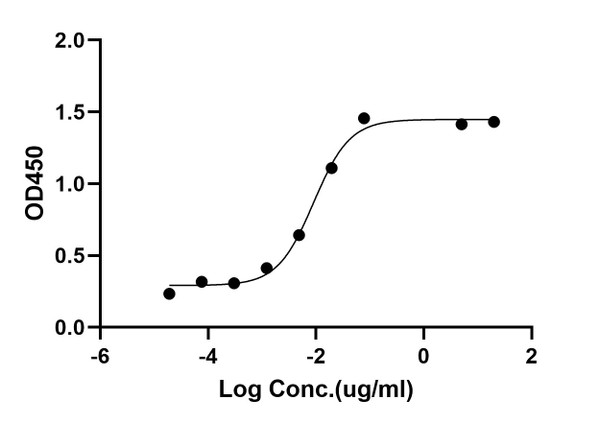
These two targets were chosen for how frequently they surface across current checkpoint and oncology literature. TIGIT is one of the most actively studied inhibitory receptors alongside PD-1 and CTLA-4, while HER2 remains the reference point for receptor tyrosine kinase biomarker work in solid tumours. Both are available here in the chimeric nanobody-Fc format, pairing a camelid VHH domain with a mouse IgG1 Fc so they slot directly into detection workflows already built around standard anti-mouse secondaries.
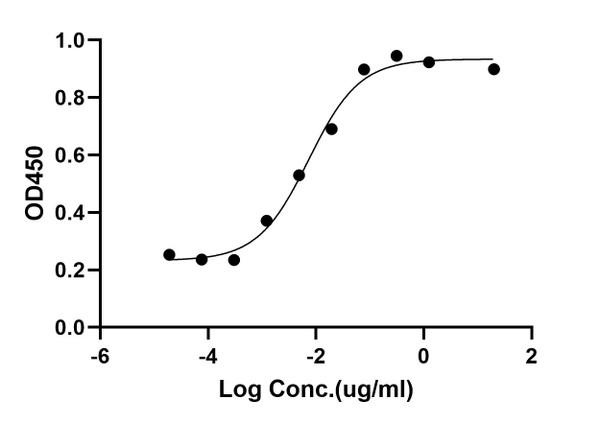
Anti-TIGIT Chimeric Antibody (STJA0038562)
TIGIT is a co-inhibitory checkpoint receptor expressed on CD8+ T cells, CD4+ T cells, regulatory T cells and NK cells, where it contributes to T and NK cell exhaustion.1 Blockade restores NK cell activity through a mechanism distinct from CTLA-4 and PD-1, which is why it's studied alongside rather than instead of those pathways.1 This chimeric format carries a mouse IgG1 Fc, so it resolves with a standard anti-mouse secondary in multiplexed panels.
View product →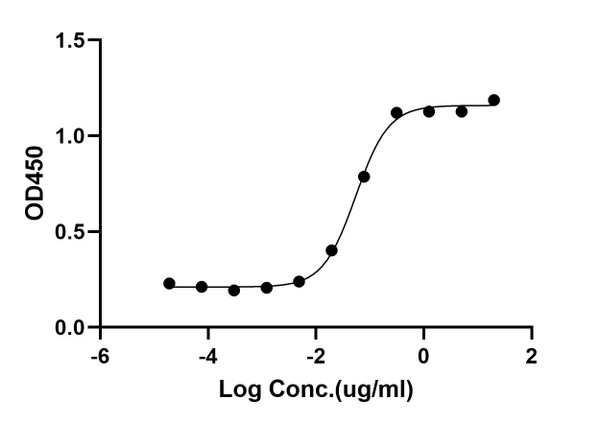
Anti-HER2 Chimeric Antibody (STJA0038268)
HER2 (ERBB2) gene amplification occurs in 18 to 20 percent of breast cancers and remains one of the most established prognostic and predictive biomarkers in solid tumour research.2 Its long history as a research and companion-diagnostic target makes it a consistent reference point in receptor tyrosine kinase studies. This chimeric format's mouse IgG1 Fc supports standard ELISA and cell-based detection without altering the parental clone's binding specificity.
View product →Chimeric Antibodies for Neuroscience Research
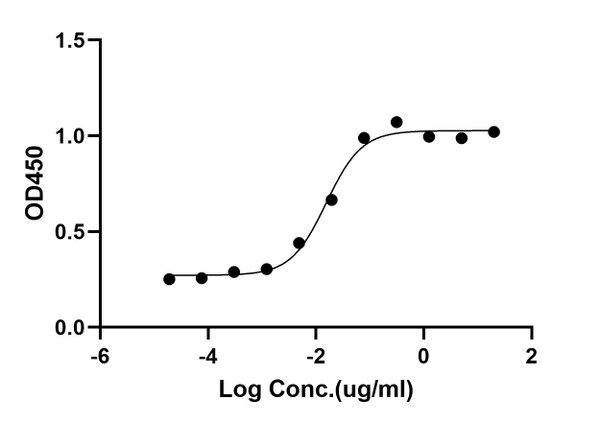
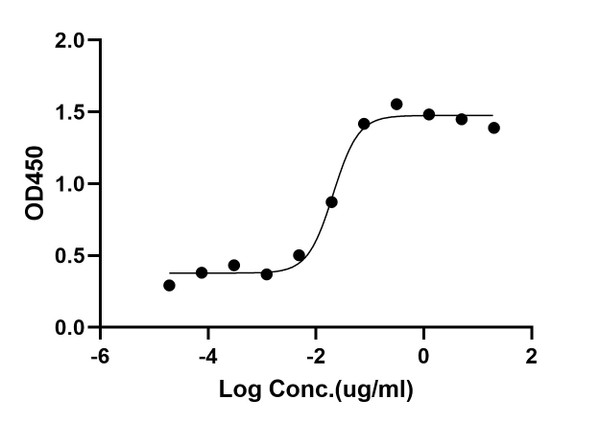
Chimeric antibodies for markers associated with neurodegeneration, cortical development and neuronal cell identity, supplied as camelid nanobody-Fc fusions compatible with standard anti-mouse detection systems. Targets include CD10 (Neprilysin), a membrane metalloendopeptidase studied for its role in neuropeptide turnover, GPR56 (ADGRG1), an adhesion GPCR involved in cortical patterning, and CD90 (Thy-1), a glycoprotein routinely used to distinguish neuronal and glial populations in mixed cell cultures. These antibodies are used across studies of neuronal differentiation, synaptic signalling and cell surface marker expression in developing and mature nervous tissue.

Chimeric Antibodies for Immunology Research
Chimeric antibodies covering immune cell lineage markers and checkpoint receptors, used to characterise dendritic cell populations and study the regulatory pathways governing T and NK cell activity. The range includes CD11c and CD123 for dendritic cell subset identification, checkpoint receptors CD112R (PVRIG), CD278 (ICOS) and CD274 (PD-L1) for costimulatory and coinhibitory signalling research, and TIGIT for studies of NK and T cell exhaustion. These targets are frequently used together in multiplexed panels to map the balance between immune activation and suppression in tumour and inflammatory microenvironments.


Chimeric Antibodies for Cancer Research
Chimeric antibodies for receptor tyrosine kinases, angiogenesis markers and metabolic checkpoints implicated in tumour growth and immune evasion. Targets include CD117 (c-Kit) and HER2, both long-established receptor tyrosine kinases in solid tumour biology, CD105 (Endoglin), a coreceptor expressed on tumour-associated vasculature, and CD47 and CD73, two markers increasingly studied for their role in suppressing anti-tumour immune responses. This combination supports research spanning tumour proliferation signalling, angiogenesis and the metabolic pathways tumours use to evade immune clearance.


Chimeric Antibodies for Inflammation Research
Chimeric antibodies for leukocyte adhesion molecules, macrophage markers and pro-inflammatory cytokines used to study leukocyte trafficking and the acute phase response. The range includes CD13 (Aminopeptidase N) and CD54 (ICAM-1) for leukocyte adhesion and transendothelial migration research, CD68 as a pan-macrophage marker, and the cytokines IL-6 and TNFa, both central mediators of acute and chronic inflammatory signalling. These targets are commonly applied in studies of innate immune activation, tissue infiltration and cytokine-driven inflammatory disease models.


Looking for a Specific Target?
Browse the full range of 654 chimeric antibodies, or contact us if a specific target is not listed.
Browse Chimeric Antibodies1. Zhang Q, Bi J, Zheng X, et al. Blockade of the checkpoint receptor TIGIT prevents NK cell exhaustion and elicits potent anti-tumor immunity. Nat Immunol. 2018;19(7):723-732.
2. Bregni G, Beelen P, Kirilovsky A, et al. Targeting ERBB2 (HER2) Amplification Identified by Next-Generation Sequencing in Patients With Advanced or Metastatic Solid Tumors. JCO Precis Oncol. 2019;3:1-9.