



Anti-Nicotinamide N-Methyltransferase/NNMT antibody (1-264aa) [AT11G11] (STJA0041767)
SPECIFICATIONS
ClonalityMonoclonal
HostMouse
ConjugationUnconjugated
IsotypeIgG2ak
ImmunogenRecombinant human NNMT (1-264aa) purified from E. coli
General Information
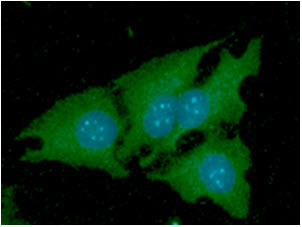
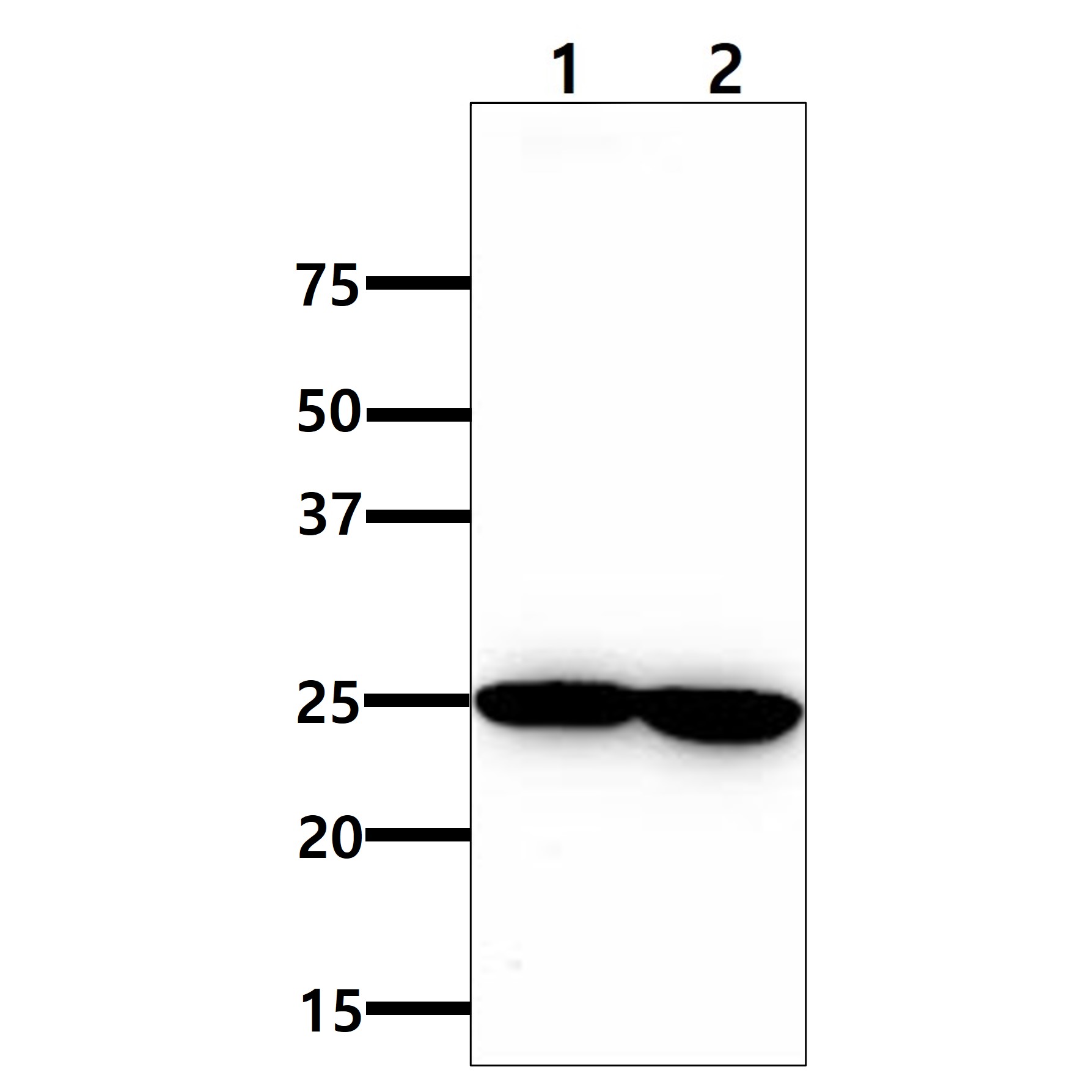
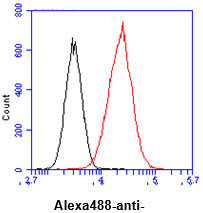
| Short Description | Mouse monoclonal anti-Nicotinamide N-Methyltransferase/NNMT (1-264aa) for use in ELISA, WB, ICC, IF and FACS in Human samples. Datasheet included with dilution recommendations, and related reagents. |
| Applications | ELISA/WB/ICC/IF/FACS |
| Host | Mouse |
| Reactivity | Human |
| Note | STRICTLY FOR FURTHER SCIENTIFIC RESEARCH USE ONLY (RUO). MUST NOT TO BE USED IN DIAGNOSTIC OR THERAPEUTIC APPLICATIONS. |
Product Properties
| Clonality | Monoclonal |
| Clone ID | AT11G11 |
| Isotype | IgG2ak |
| Conjugation | Unconjugated |
| Concentration | 1 mg/mL |
| Purification | By protein-A affinity chromatography |
| Formulation | Liquid in phosphate-Buffered Saline (pH 7.4) with 0.02% Sodium Azide, 10% Glycerol |
| Storage Instruction | For short term storage, keep at +2C to +8C for up to 1 week. For long term storage, aliquot and store at-20C, and avoid repeat freeze-thaw cycles. |
Target Information
| Gene Symbol | NNMT |
| Gene ID | 4837 |
| Uniprot ID | NNMT_HUMAN |
| Accession Number | NP_006160 |
| Immunogen | Recombinant human NNMT (1-264aa) purified from E. coli |
| Immunogen Region | 1-264aa |
Additional Info
| Tissue Specificity | Predominantly expressed in the liver. A lower expression is seen in the kidney, lung, skeletal muscle, placenta and heart. Not detected in the brain or pancreas. |
| Post Translational Modifications | Deiminated by PADI1 and PADI2. |
| Function | Catalyzes the N-methylation of nicotinamide using the universal methyl donor S-adenosyl-L-methionine to form N1-methylnicotinamide and S-adenosyl-L-homocysteine, a predominant nicotinamide/vitamin B3 clearance pathway. Plays a central role in regulating cellular methylation potential, by consuming S-adenosyl-L-methionine and limiting its availability for other methyltransferases. Actively mediates genome-wide epigenetic and transcriptional changes through hypomethylation of repressive chromatin marks, such as H3K27me3. In a developmental context, contributes to low levels of the repressive histone marks that characterize pluripotent embryonic stem cell pre-implantation state. Acts as a metabolic regulator primarily on white adipose tissue energy expenditure as well as hepatic gluconeogenesis and cholesterol biosynthesis. In white adipocytes, regulates polyamine flux by consuming S-adenosyl-L-methionine which provides for propylamine group in polyamine biosynthesis, whereas by consuming nicotinamide controls NAD(+) levels through the salvage pathway. Via its product N1-methylnicotinamide regulates protein acetylation in hepatocytes, by repressing the ubiquitination and increasing the stability of SIRT1 deacetylase. Can also N-methylate other pyridines structurally related to nicotinamide and play a role in xenobiotic detoxification. |
| Protein Name | Nicotinamide N-Methyltransferase |
| Database Links | Reactome: R-HSA-156581Reactome: R-HSA-197264Reactome: R-HSA-2408508 |
| Cellular Localisation | Cytoplasm |
| Alternative Antibody Names | Anti-Nicotinamide N-Methyltransferase antibodyAnti-NNMT antibody |
Information sourced from Uniprot.org