




Anti-SCTR antibody (100-149 aa) (STJ95595)
SPECIFICATIONS
ClonalityPolyclonal
HostRabbit
ConjugationUnconjugated
IsotypeIgG
ImmunogenThe antiserum was produced against synthesized peptide derived from the human SCTR at the amino acid range 100-149
General Information
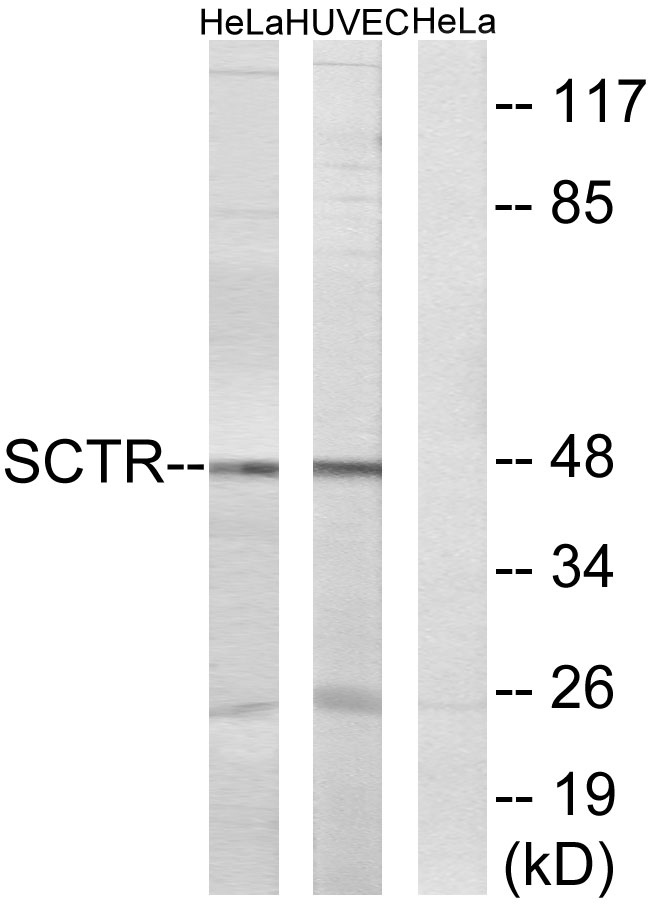
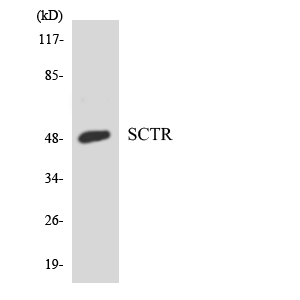
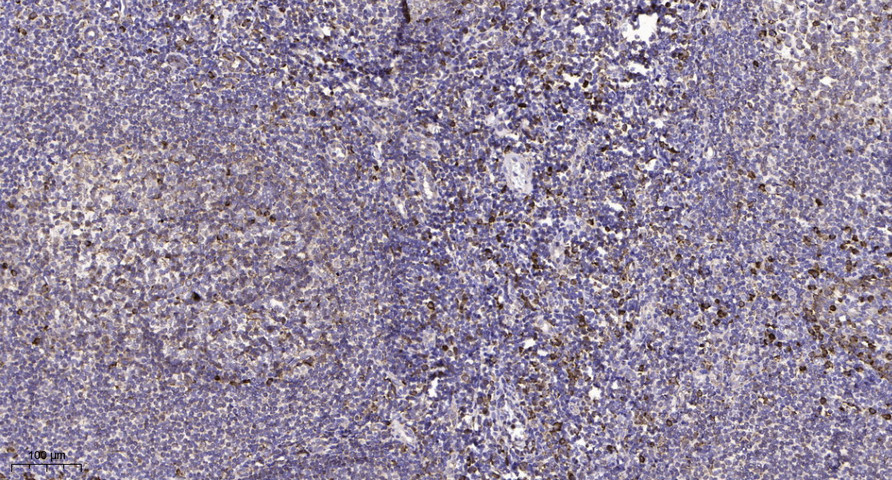
| Short Description | Rabbit polyclonal anti-Secretin receptor (100-149 aa) for use in WB, IHC, IF and ELISA in Human, Rat and Mouse samples. Datasheet included with dilution recommendations, and related reagents. |
| Applications | WB/IHC/IF/ELISA |
| Host | Rabbit |
| Reactivity | Human/Rat/Mouse |
| Note | STRICTLY FOR FURTHER SCIENTIFIC RESEARCH USE ONLY (RUO). MUST NOT TO BE USED IN DIAGNOSTIC OR THERAPEUTIC APPLICATIONS. |
Product Properties
| Clonality | Polyclonal |
| Isotype | IgG |
| Conjugation | Unconjugated |
| Concentration | 1 mg/mL |
| Purification | The antibody was affinity-purified from rabbit antiserum by affinity-chromatography using epitope-specific immunogen. |
| Dilution Range | WB 1:500-1:2000IHC 1:100-1:300IF 1:200-1:1000ELISA 1:20000 |
| Formulation | Liquid in PBS containing 50% Glycerol, 0.5% BSA and 0.02% Sodium Azide. |
| Storage Instruction | Store at-20°C for up to 1 year from the date of receipt, and avoid repeat freeze-thaw cycles. |
Target Information
| Gene Symbol | SCTR |
| Gene ID | 6344 |
| Uniprot ID | SCTR_HUMAN |
| Immunogen | The antiserum was produced against synthesized peptide derived from the human SCTR at the amino acid range 100-149 |
| Immunogen Region | 100-149 aa |
| Specificity | Secretin Receptor Polyclonal Antibody detects endogenous levels of Secretin Receptor protein. |
Additional Info
| Function | G protein-coupled receptor activated by secretin (SCT), which is involved in different processes such as regulation of the pH of the duodenal content, food intake and water homeostasis. Ligand binding causes a conformation change that triggers signaling via guanine nucleotide-binding proteins (G proteins) and activates cAMP-dependent pathway. Upon binding to secretin, regulates the pH of the duodenum by (1) inhibiting the secretion of gastric acid from the parietal cells of the stomach and (2) stimulating the production of bicarbonate (NaHCO(3)) from the ductal cells of the pancreas. In addition to regulating the pH of the duodenal content, plays a central role in diet induced thermogenesis: acts as a non-sympathetic brown fat (BAT) activator mediating prandial thermogenesis, which consequentially induces satiation. Mechanistically, secretin released by the gut after a meal binds to secretin receptor (SCTR) in brown adipocytes, activating brown fat thermogenesis by stimulating lipolysis, which is sensed in the brain and promotes satiation. Also able to stimulate lipolysis in white adipocytes. Also plays an important role in cellular osmoregulation by regulating renal water reabsorption. Also plays a role in the central nervous system: required for synaptic plasticity. |
| Protein Name | Secretin ReceptorSct-RSecr |
| Database Links | Reactome: R-HSA-418555Reactome: R-HSA-420092 |
| Cellular Localisation | Cell MembraneMulti-Pass Membrane ProteinBasolateral Cell Membrane |
| Alternative Antibody Names | Anti-Secretin Receptor antibodyAnti-Sct-R antibodyAnti-Secr antibodyAnti-SCTR antibody |
Information sourced from Uniprot.org