


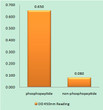
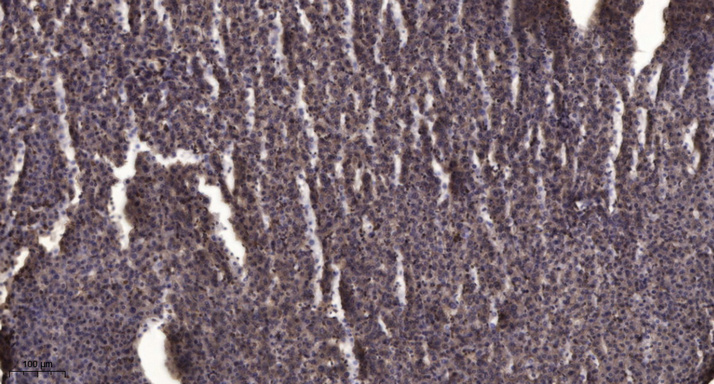
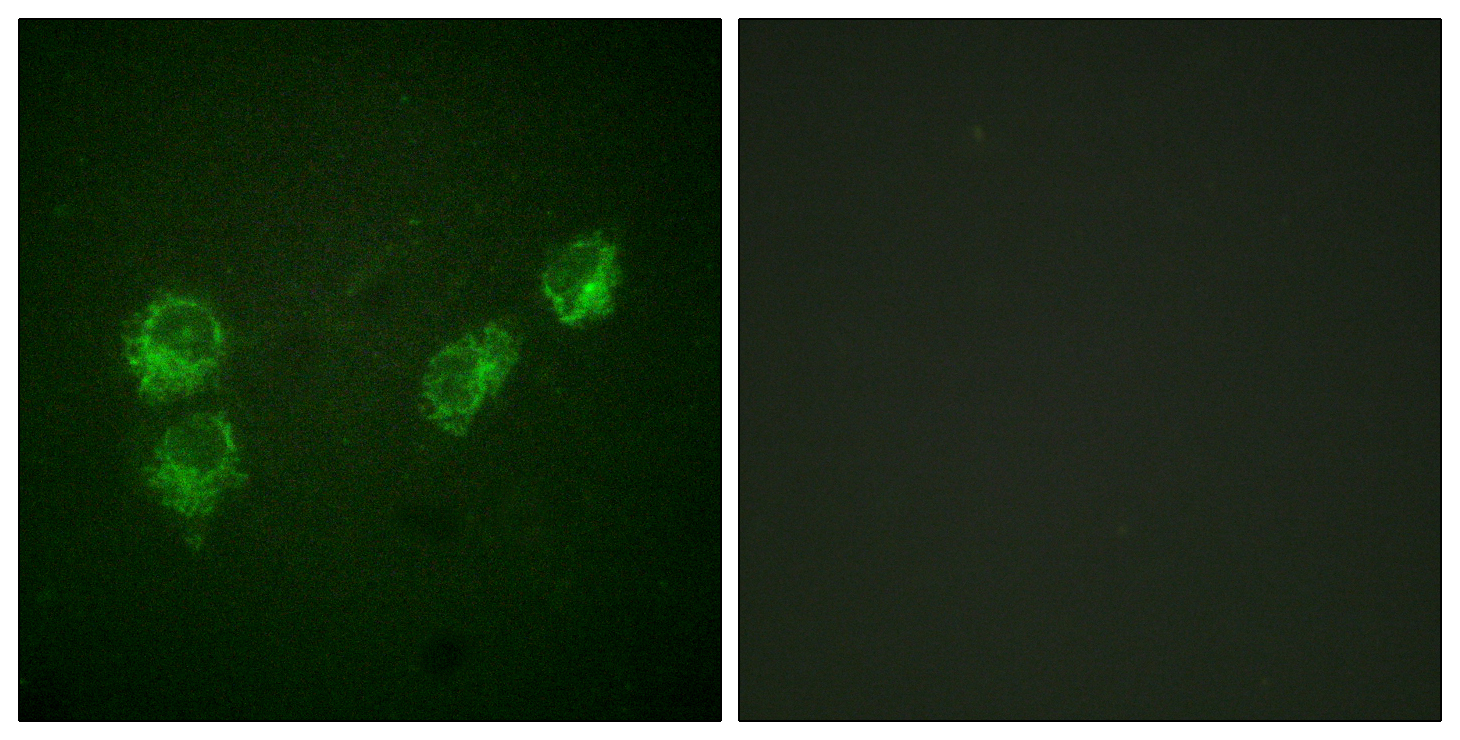


Anti-Phospho-PLN-Ser16/T17 antibody (1-50 aa) (STJ91324)
SPECIFICATIONS
ClonalityPolyclonal
HostRabbit
ConjugationUnconjugated
IsotypeIgG
ImmunogenThe antiserum was produced against synthesized peptide derived from the human PLB around the phosphorylation site of Ser16 and Thr17 at the amino acid range 1-50
General Information
| Short Description | Rabbit polyclonal anti-Phospho-Cardiac phospholamban-Ser16/T17 (1-50 aa) for use in WB and IHC in Human, Mouse and Rat samples. Datasheet included with dilution recommendations, and related reagents. |
| Applications | WB/IHC |
| Host | Rabbit |
| Reactivity | Human/Mouse/Rat |
| Note | STRICTLY FOR FURTHER SCIENTIFIC RESEARCH USE ONLY (RUO). MUST NOT TO BE USED IN DIAGNOSTIC OR THERAPEUTIC APPLICATIONS. |
Product Properties
| Clonality | Polyclonal |
| Isotype | IgG |
| Conjugation | Unconjugated |
| Concentration | 1 mg/mL |
| Purification | The antibody was affinity-purified from rabbit antiserum by affinity-chromatography using epitope-specific immunogen. |
| Dilution Range | WB 1:500-2000IHC-P 1:50-300 |
| Formulation | Liquid in PBS containing 50% Glycerol, 0.5% BSA and 0.02% Sodium Azide. |
| Storage Instruction | Store at-20°C for up to 1 year from the date of receipt, and avoid repeat freeze-thaw cycles. |
Target Information
| Gene Symbol | PLN |
| Gene ID | 5350 |
| Uniprot ID | PPLA_HUMAN |
| Immunogen | The antiserum was produced against synthesized peptide derived from the human PLB around the phosphorylation site of Ser16 and Thr17 at the amino acid range 1-50 |
| Immunogen Region | 1-50 aa |
| Specificity | Phospho-PLB (S16/T17) Polyclonal Antibody detects endogenous levels of PLB protein only when phosphorylated at S16/T17. |
Additional Info
| Post Translational Modifications | Phosphorylation by PKA abolishes the inhibition of ATP2A2-mediated calcium uptake. Phosphorylated at Thr-17 by CaMK2, and in response to beta-adrenergic stimulation. Phosphorylation by DMPK may stimulate sarcoplasmic reticulum calcium uptake in cardiomyocytes. Palmitoylated by ZDHHC16, promoting formation of the homopentamer. In elongated spermatids, proteolytically cleaved by SPPL2C which modulates intracellular Ca(2+) homeostasis. |
| Function | Reversibly inhibits the activity of ATP2A2/SERCA2 in cardiac sarcoplasmic reticulum by decreasing the apparent affinity of the ATPase for Ca(2+). Binds preferentially to the ATP-bound E1 conformational form of ATP2A2 which predominates at low Ca(2+) concentrations during the diastolic phase of the cardiac cycle. Inhibits ATP2A2 Ca(2+) affinity by disrupting its allosteric activation by ATP. Modulates the contractility of the heart muscle in response to physiological stimuli via its effects on ATP2A2. Modulates calcium re-uptake during muscle relaxation and plays an important role in calcium homeostasis in the heart muscle. The degree of ATP2A2 inhibition depends on the oligomeric state of PLN. ATP2A2 inhibition is alleviated by PLN phosphorylation. Also inhibits the activity of ATP2A3/SERCA3. Controls intracellular Ca(2+) levels in elongated spermatids and may play a role in germ cell differentiation. In the thalamic reticular nucleus of the brain, plays a role in the regulation of sleep patterns and executive functioning. |
| Protein Name | PhospholambanPlb |
| Database Links | Reactome: R-HSA-5578775Reactome: R-HSA-936837 |
| Cellular Localisation | Endoplasmic Reticulum MembraneSingle-Pass Membrane ProteinSarcoplasmic Reticulum MembraneMitochondrion MembraneMembraneColocalizes With Hax1 At The Endoplasmic ReticulumColocalizes With Dmpk At The Sarcoplasmic Reticulum |
| Alternative Antibody Names | Anti-Phospholamban antibodyAnti-Plb antibodyAnti-PLN antibodyAnti-PLB antibody |
Information sourced from Uniprot.org