



Anti-Smad5 antibody [4B10-B10-B6] (STJA0032369)
SPECIFICATIONS
ClonalityMonoclonal
HostMouse
ConjugationUnconjugated
IsotypeIgG1
ImmunogenPurified recombinant human SMAD5 (C-terminus) protein fragments expressed in E.coli.
General Information
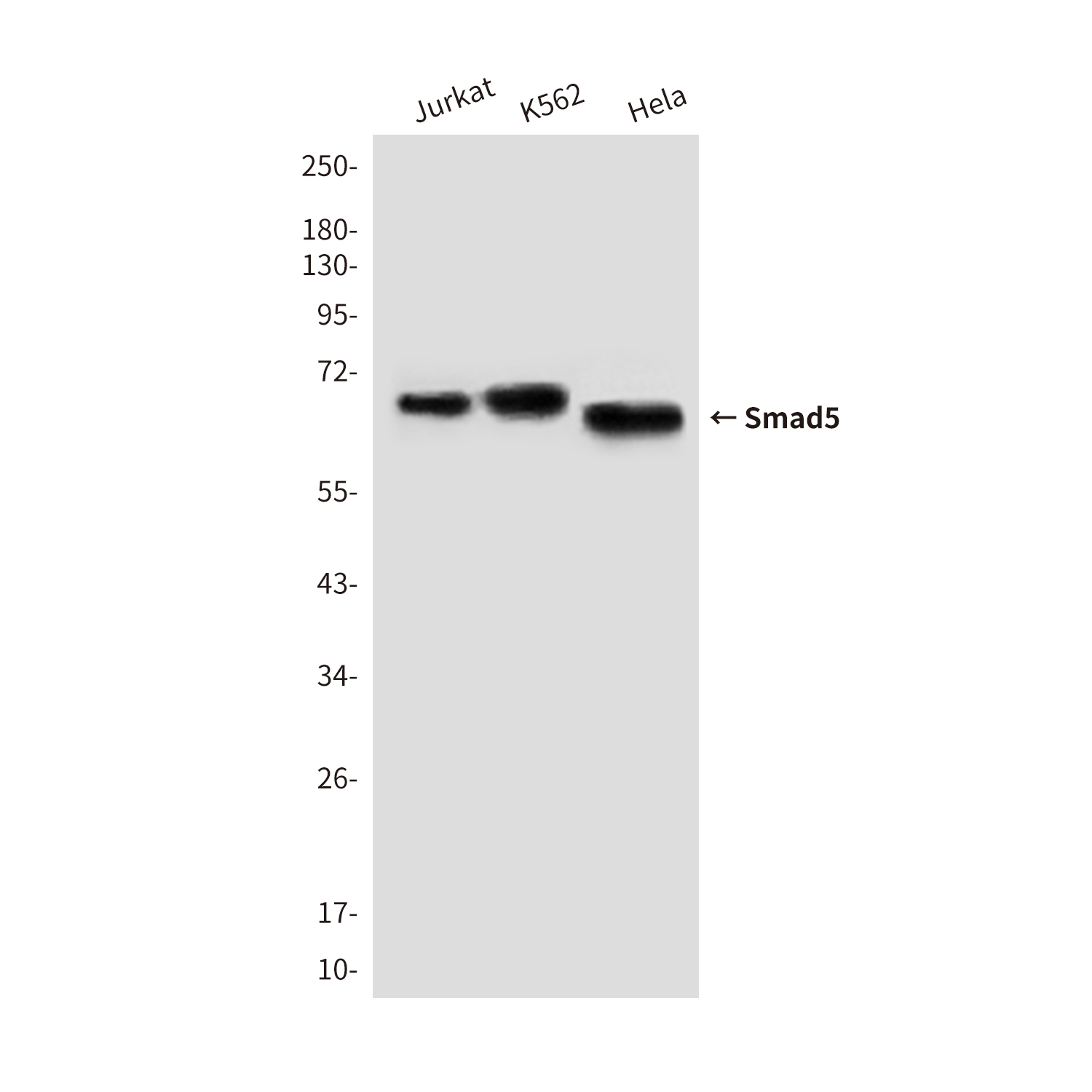
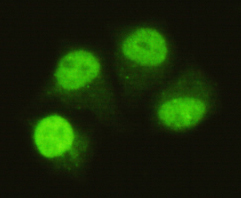
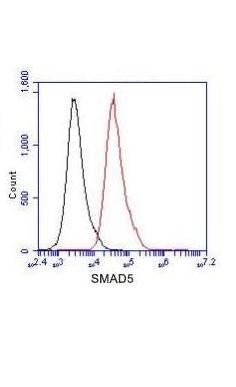
| Short Description | Mouse monoclonal anti-Smad5 for use in WB, ICC, IF and FC in Human samples. Datasheet included with dilution recommendations, and related reagents. |
| Applications | WB/ICC/IF/FC |
| Host | Mouse |
| Reactivity | Human |
| Note | STRICTLY FOR FURTHER SCIENTIFIC RESEARCH USE ONLY (RUO). MUST NOT TO BE USED IN DIAGNOSTIC OR THERAPEUTIC APPLICATIONS. |
Product Properties
| Clonality | Monoclonal |
| Clone ID | 4B10-B10-B6 |
| Isotype | IgG1 |
| Conjugation | Unconjugated |
| Concentration | 1 mg/mL |
| Purification | Affinity Purified |
| Dilution Range | WB 1:500-1:1000IF 1:50-1:200FC 1:50-1:100 |
| Formulation | Liquid in PBS containing 50% glycerol, 0.5% BSA and 0.02% sodium azide, pH 7.3. |
| Storage Instruction | Store at 4°C short term. Aliquot and store at-20°C long term. Avoid freeze/thaw cycles. |
Target Information
| Gene Symbol | SMAD5 |
| Gene ID | 4090 |
| Uniprot ID | SMAD5_HUMAN |
| Immunogen | Purified recombinant human SMAD5 (C-terminus) protein fragments expressed in E.coli. |
Additional Info
| Tissue Specificity | Ubiquitous. |
| Post Translational Modifications | Phosphorylated on serine by BMP (bone morphogenetic proteins) type 1 receptor kinase. Ubiquitin-mediated proteolysis by SMAD-specific E3 ubiquitin ligase SMURF1. |
| Function | Transcriptional regulator that plays a role in various cellular processes including embryonic development, cell differentiation, angiogenesis and tissue homeostasis. Upon BMP ligand binding to their receptors at the cell surface, is phosphorylated by activated type I BMP receptors (BMPRIs) and associates with SMAD4 to form a heteromeric complex which translocates into the nucleus acting as transcription factor. In turn, the hetero-trimeric complex recognizes cis-regulatory elements containing Smad Binding Elements (SBEs) to modulate the outcome of the signaling network. Non-phosphorylated SMAD5 has a cytoplasmic role in energy metabolism regulation by promoting mitochondrial respiration and glycolysis in response to cytoplasmic pH changes. Mechanistically, interacts with hexokinase 1/HK1 and thereby accelerates glycolysis. |
| Protein Name | Mothers Against Decapentaplegic Homolog 5Mad Homolog 5Mothers Against Dpp Homolog 5Jv5-1Smad Family Member 5Smad 5Smad5Hsmad5 |
| Database Links | Reactome: R-HSA-201451 |
| Cellular Localisation | CytoplasmNucleusMitochondrionCytoplasmic In The Absence Of LigandMigrates To The Nucleus When Complexed With Smad4 |
| Alternative Antibody Names | Anti-Mothers Against Decapentaplegic Homolog 5 antibodyAnti-Mad Homolog 5 antibodyAnti-Mothers Against Dpp Homolog 5 antibodyAnti-Jv5-1 antibodyAnti-Smad Family Member 5 antibodyAnti-Smad 5 antibodyAnti-Smad5 antibodyAnti-Hsmad5 antibodyAnti-SMAD5 antibodyAnti-MADH5 antibody |
Information sourced from Uniprot.org