
![Anti-PCSK9 nanobody [SAA1344] (STJN000286)](https://cdn11.bigcommerce.com/s-zso2xnchw9/images/stencil/124x110/products/200899/413081/STJN000286-SDS-PAGE-1__34440.1749232586.jpg?c=1 "Anti-PCSK9 nanobody [SAA1344] (STJN000286)")
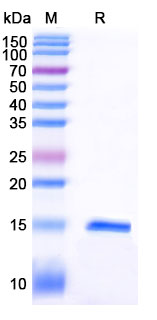
![Anti-PCSK9 nanobody [SAA1344] (STJN000286)](https://cdn11.bigcommerce.com/s-zso2xnchw9/images/stencil/1280x1280/products/200899/413081/STJN000286-SDS-PAGE-1__34440.1749232586.jpg?c=1 "Anti-PCSK9 nanobody [SAA1344] (STJN000286)")
Anti-PCSK9 nanobody [SAA1344] (STJN000286)
SPECIFICATIONS
ClonalityMonoclonal
HostAlpaca
ConjugationUnconjugated
IsotypeVHH-8His-Cys-tag
General Information
| Short Description | Alpaca monoclonal nanobody anti-Proprotein Convertase Subtilisin/Kexin Type 9 is suitable for use in ELISA research applications. |
| Applications | ELISA |
| Host | Alpaca |
| Reactivity | Human |
| Note | STRICTLY FOR FURTHER SCIENTIFIC RESEARCH USE ONLY (RUO). MUST NOT BE USED IN DIAGNOSTIC OR THERAPEUTIC APPLICATIONS. |
Product Properties
| Clonality | Monoclonal |
| Clone ID | SAA1344 |
| Isotype | VHH-8His-Cys-tag |
| Conjugation | Unconjugated |
| Concentration | 1 mg/mL |
| Purification | Purified by Nickel column. |
| Formulation | 0.01M PBS, pH 7.4. |
| Storage Instruction | Use a manual defrost freezer and avoid repeated freeze-thaw cycles. Store at 4°C short term (1-2 weeks). Store at-20°C 12 months. Store at-80°C long term. |
Target Information
| Gene Symbol | PCSK9 |
| Gene ID | 255738 |
| Uniprot ID | PCSK9_HUMAN |
Additional Info
| Post Translational Modifications | Cleavage by furin and PCSK5 generates a truncated inactive protein that is unable to induce LDLR degradation. Undergoes autocatalytic cleavage in the endoplasmic reticulum to release the propeptide from the N-terminus and the cleavage of the propeptide is strictly required for its maturation and activation. The cleaved propeptide however remains associated with the catalytic domain through non-covalent interactions, preventing potential substrates from accessing its active site. As a result, it is secreted from cells as a propeptide-containing, enzymatically inactive protein. Phosphorylation protects the propeptide against proteolysis. |
| Function | Crucial player in the regulation of plasma cholesterol homeostasis. Binds to low-density lipid receptor family members: low density lipoprotein receptor (LDLR), very low density lipoprotein receptor (VLDLR), apolipoprotein E receptor (LRP1/APOER) and apolipoprotein receptor 2 (LRP8/APOER2), and promotes their degradation in intracellular acidic compartments. Acts via a non-proteolytic mechanism to enhance the degradation of the hepatic LDLR through a clathrin LDLRAP1/ARH-mediated pathway. May prevent the recycling of LDLR from endosomes to the cell surface or direct it to lysosomes for degradation. Can induce ubiquitination of LDLR leading to its subsequent degradation. Inhibits intracellular degradation of APOB via the autophagosome/lysosome pathway in a LDLR-independent manner. Involved in the disposal of non-acetylated intermediates of BACE1 in the early secretory pathway. Inhibits epithelial Na(+) channel (ENaC)-mediated Na(+) absorption by reducing ENaC surface expression primarily by increasing its proteasomal degradation. Regulates neuronal apoptosis via modulation of LRP8/APOER2 levels and related anti-apoptotic signaling pathways. |
| Protein Name | Proprotein Convertase Subtilisin/Kexin Type 9Neural Apoptosis-Regulated Convertase 1Narc-1Proprotein Convertase 9Pc9Subtilisin/Kexin-Like Protease Pc9 |
| Database Links | Reactome: R-HSA-381426Reactome: R-HSA-8866427Reactome: R-HSA-8957275Reactome: R-HSA-8964038 |
| Cellular Localisation | CytoplasmSecretedEndosomeLysosomeCell SurfaceEndoplasmic ReticulumGolgi ApparatusAutocatalytic Cleavage Is Required To Transport It From The Endoplasmic Reticulum To The Golgi Apparatus And For The Secretion Of The Mature ProteinLocalizes To The Endoplasmic Reticulum In The Absence Of Ldlr And Colocalizes To The Cell Surface And To The Endosomes/Lysosomes In The Presence Of LdlrThe Sorting To The Cell Surface And Endosomes Is Required In Order To Fully Promote Ldlr Degradation |
| Alternative Nanobody Names | Anti-Proprotein Convertase Subtilisin/Kexin Type 9 nanobodyAnti-Neural Apoptosis-Regulated Convertase 1 nanobodyAnti-Narc-1 nanobodyAnti-Proprotein Convertase 9 nanobodyAnti-Pc9 nanobodyAnti-Subtilisin/Kexin-Like Protease Pc9 nanobodyAnti-PCSK9 nanobodyAnti-NARC1 nanobodyAnti-PSEC0052 nanobody |
Information sourced from Uniprot.org