Anti-NKp46/NCR1 antibody (22-255aa) [n1D9] (STJA0041512)

SKU:
STJA0041512
€263.40 - €399.00
Free Shipping
Processing The item has been added

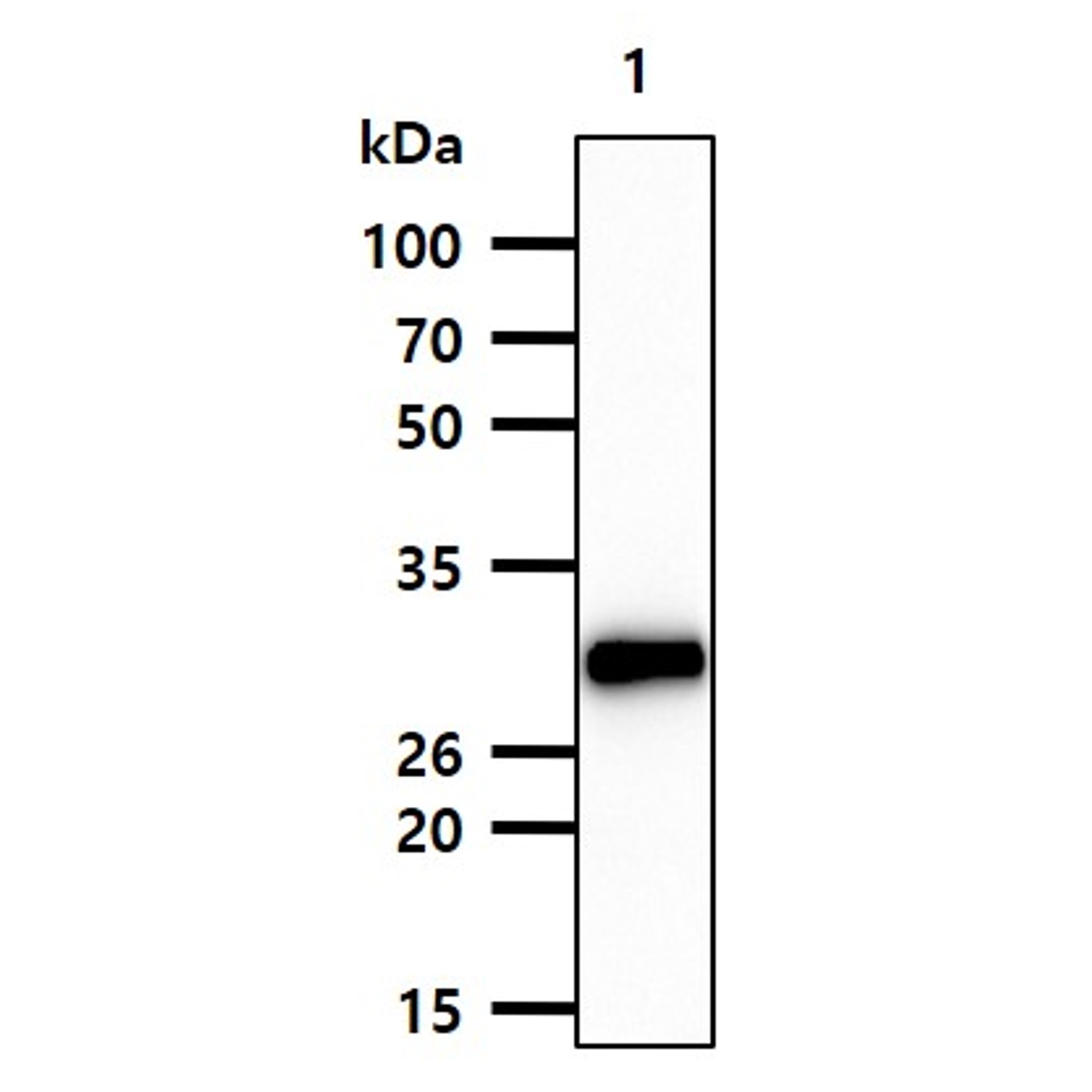
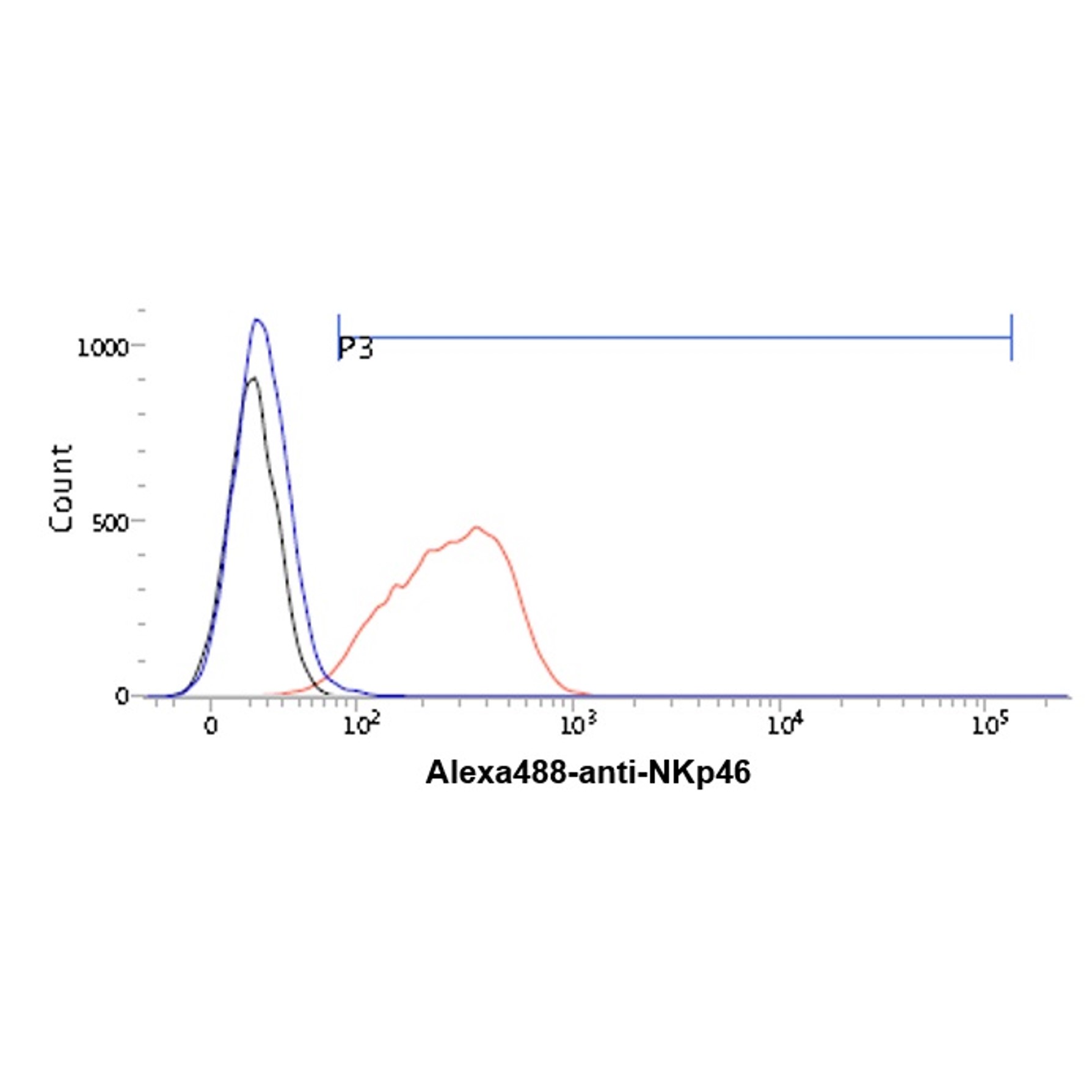
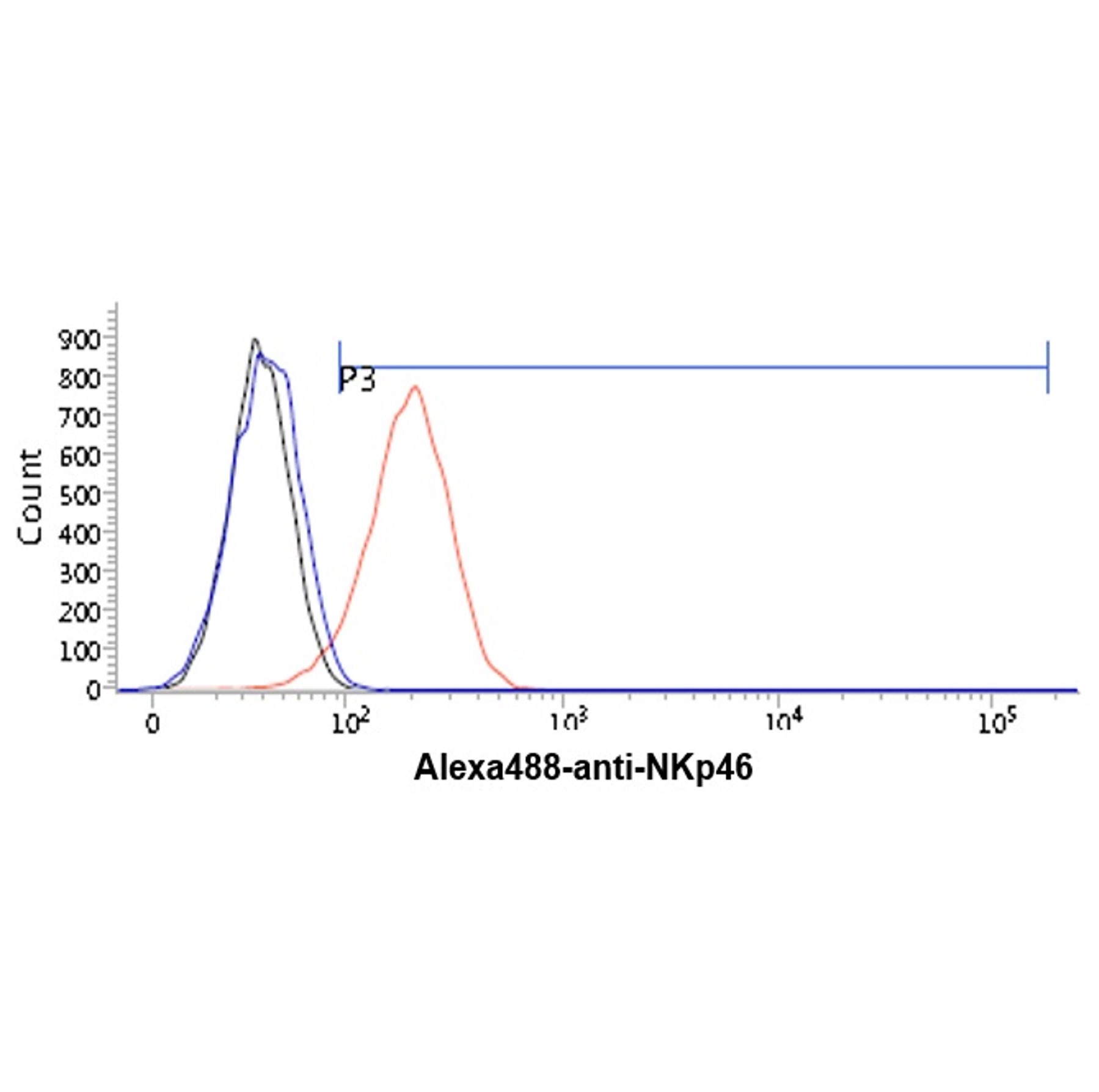
Short Description :Mouse monoclonal anti-NKp46/NCR1 (22-255aa) for use in ELISA, WB and FACS in Human samples. Datasheet included with dilution recommendations, and related reagents.
Applications:ELISA/WB/FACS
Host:Mouse
Reactivity:Human
Note:STRICTLY FOR FURTHER SCIENTIFIC RESEARCH USE ONLY (RUO). MUST NOT TO BE USED IN DIAGNOSTIC OR THERAPEUTIC APPLICATIONS.
Clonality :Monoclonal
Clone ID :n1D9
Isotype:IgG1k
Conjugation:Unconjugated
Concentration:1 mg/mL
Purification:By protein-G affinity chromatography
Formulation:Liquid in phosphate-Buffered Saline (pH 7.4) with 0.02% Sodium Azide, 10% Glycerol
Storage Instruction:For short term storage, keep at +2C to +8C for up to 1 week. For long term storage, aliquot and store at-20C, and avoid repeat freeze-thaw cycles.
Gene Symbol:NCR1
Gene ID:9437
Uniprot ID:NCTR1_HUMAN
Accession Number:NP_004820
Immunogen:Recombinant human Nkp46 (22-255aa) purified from E. coli
Immunogen Region:22-255aa
Tissue Specificity Selectively expressed by both resting and activated NK cells.
Post Translational Modifications N-glycosylated. O-glycosylated.
Function Cytotoxicity-activating receptor that may contribute to the increased efficiency of activated natural killer (NK) cells to mediate tumor cell lysis.
Protein Name Natural Cytotoxicity Triggering Receptor 1
Lymphocyte Antigen 94 Homolog
Nk Cell-Activating Receptor
Natural Killer Cell P46-Related Protein
Nk-P46
Nkp46
Hnkp46
Cd Antigen Cd335
Database Links Reactome: R-HSA-198933
Cellular Localisation Cell Membrane
Single-Pass Type I Membrane Protein
Alternative Antibody Names Anti-Natural Cytotoxicity Triggering Receptor 1 antibody
Anti-Lymphocyte Antigen 94 Homolog antibody
Anti-Nk Cell-Activating Receptor antibody
Anti-Natural Killer Cell P46-Related Protein antibody
Anti-Nk-P46 antibody
Anti-Nkp46 antibody
Anti-Hnkp46 antibody
Anti-Cd Antigen Cd335 antibody
Anti-NCR1 antibody
Anti-LY94 antibody

Information sourced from Uniprot.org