




Anti-Phospho-ATXN1-Ser776 antibody (742-791 aa) (STJ90696)
SPECIFICATIONS
ClonalityPolyclonal
HostRabbit
ConjugationUnconjugated
IsotypeIgG
ImmunogenThe antiserum was produced against synthesized peptide derived from the human Ataxin 1 around the phosphorylation site of Ser776 at the amino acid range 742-791
General Information
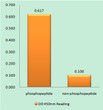
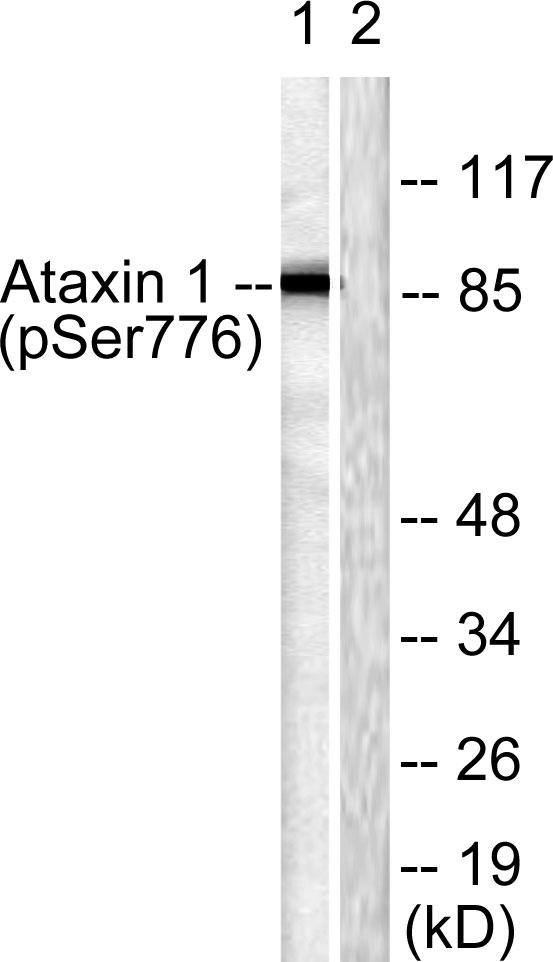
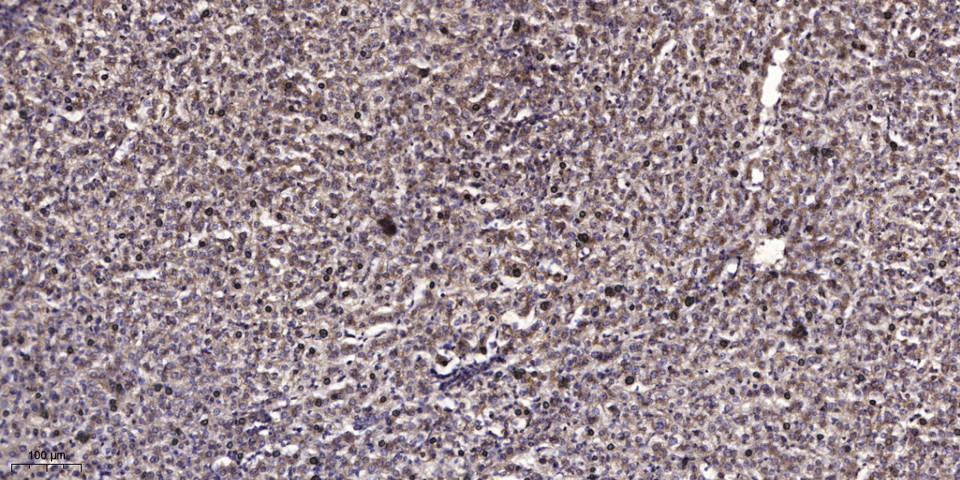
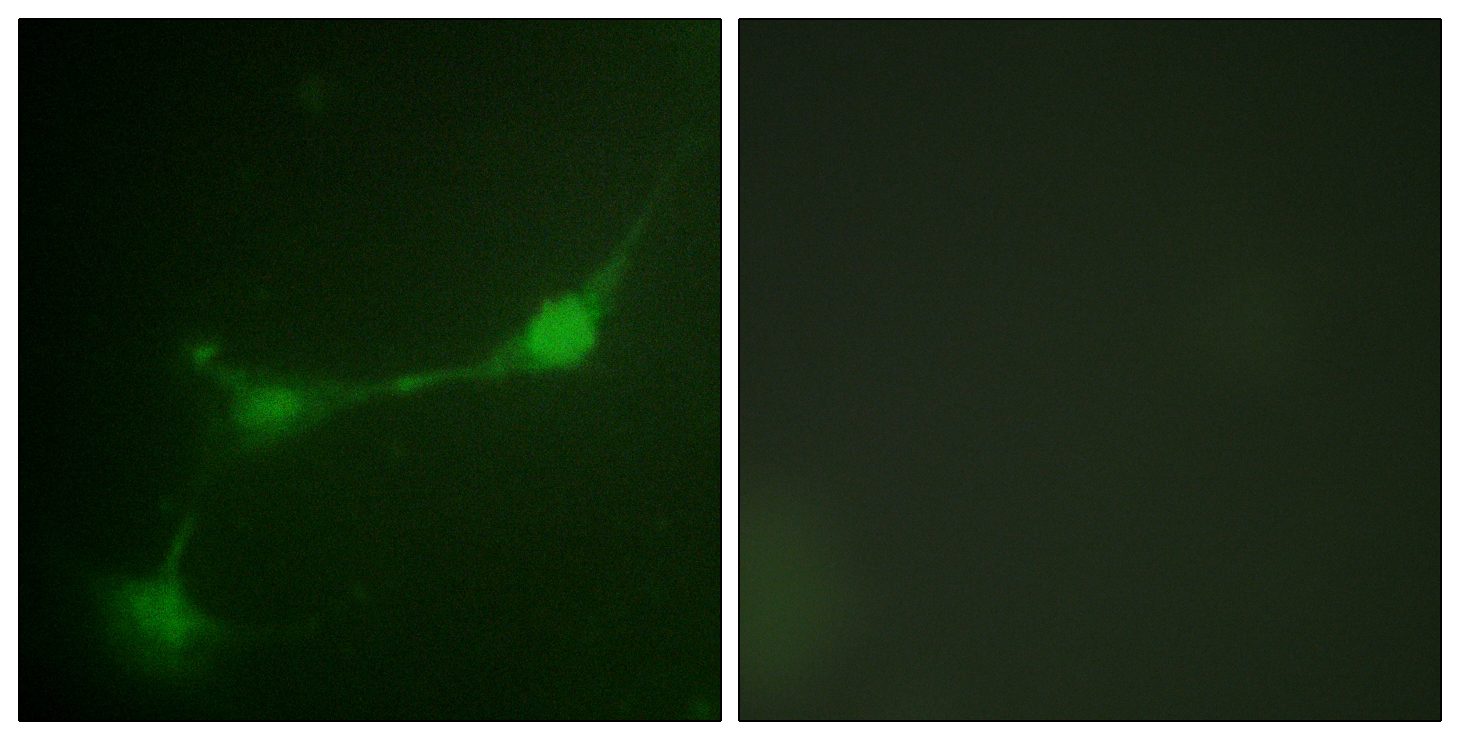
| Short Description | Rabbit polyclonal anti-Phospho-Ataxin-1-Ser776 (742-791 aa) for use in WB, IHC, IF and ELISA in Human and Mouse samples. Datasheet included with dilution recommendations, and related reagents. |
| Applications | WB/IHC/IF/ELISA |
| Host | Rabbit |
| Reactivity | Human/Mouse |
| Note | STRICTLY FOR FURTHER SCIENTIFIC RESEARCH USE ONLY (RUO). MUST NOT TO BE USED IN DIAGNOSTIC OR THERAPEUTIC APPLICATIONS. |
Product Properties
| Clonality | Polyclonal |
| Isotype | IgG |
| Conjugation | Unconjugated |
| Concentration | 1 mg/mL |
| Purification | The antibody was affinity-purified from rabbit antiserum by affinity-chromatography using epitope-specific immunogen. |
| Dilution Range | WB 1:500-1:2000IHC 1:100-1:300IF 1:200-1:1000ELISA 1:10000 |
| Formulation | Liquid in PBS containing 50% Glycerol, 0.5% BSA and 0.02% Sodium Azide. |
| Storage Instruction | Store at-20°C for up to 1 year from the date of receipt, and avoid repeat freeze-thaw cycles. |
Target Information
| Gene Symbol | ATXN1 |
| Gene ID | 6310 |
| Uniprot ID | ATX1_HUMAN |
| Immunogen | The antiserum was produced against synthesized peptide derived from the human Ataxin 1 around the phosphorylation site of Ser776 at the amino acid range 742-791 |
| Immunogen Region | 742-791 aa |
| Specificity | Phospho-Ataxin-1 (S776) Polyclonal Antibody detects endogenous levels of Ataxin-1 protein only when phosphorylated at S776. |
Additional Info
| Post Translational Modifications | Ubiquitinated by UBE3A, leading to its degradation by the proteasome. The presence of expanded poly-Gln repeats in spinocerebellar ataxia 1 (SCA1) patients impairs ubiquitination and degradation, leading to accumulation of ATXN1 in neurons and subsequent toxicity. Phosphorylation at Ser-775 increases the pathogenicity of proteins with an expanded polyglutamine tract. Sumoylation is dependent on nuclear localization and phosphorylation at Ser-775. It is reduced in the presence of an expanded polyglutamine tract. |
| Function | Chromatin-binding factor that repress Notch signaling in the absence of Notch intracellular domain by acting as a CBF1 corepressor. Binds to the HEY promoter and might assist, along with NCOR2, RBPJ-mediated repression. Binds RNA in vitro. May be involved in RNA metabolism. In concert with CIC and ATXN1L, involved in brain development. |
| Protein Name | Ataxin-1Spinocerebellar Ataxia Type 1 Protein |
| Database Links | |
| Cellular Localisation | CytoplasmNucleusColocalizes With Usp7 In The Nucleus |
| Alternative Antibody Names | Anti-Ataxin-1 antibodyAnti-Spinocerebellar Ataxia Type 1 Protein antibodyAnti-ATXN1 antibodyAnti-ATX1 antibodyAnti-SCA1 antibody |
Information sourced from Uniprot.org