| Post Translational Modifications | Phosphorylation at Thr-888 by PKC impairs coupling with G(q)/G(11) G-proteins, while it does not affect G(i)/G(o)-coupling. Phosphorylation at Ser-892 by PKC and Ser-899 by PKA promote plasma membrane localization. Ubiquitinated by RNF19A.which induces proteasomal degradation. N-glycosylated. |
| Function | G-protein-coupled receptor that senses changes in the extracellular concentration of calcium ions and plays a key role in maintaining calcium homeostasis. Senses fluctuations in the circulating calcium concentration: activated by elevated circulating calcium, leading to decreased parathyroid hormone (PTH) secretion in parathyroid glands. In kidneys, acts as a key regulator of renal tubular calcium resorption. Ligand binding causes a conformation change that triggers signaling via guanine nucleotide-binding proteins (G-proteins) and modulates the activity of downstream effectors. CASR is coupled with different G(q)/G(11), G(i)/G(o)- or G(s)-classes of G-proteins depending on the context. In the parathyroid and kidney, CASR signals through G(q)/G(11) and G(i)/G(o) G-proteins: G(q)/G(11) coupling activates phospholipase C-beta, releasing diacylglycerol (DAG) and inositol 1,4,5-trisphosphate (IP3) second messengers, while G(i)/G(o) coupling mediates inhibition of adenylate cyclase activity. The G-protein-coupled receptor activity is activated by a co-agonist mechanism: aromatic amino acids, such as Trp or Phe, act concertedly with divalent cations, such as calcium or magnesium, to achieve full receptor activation. Acts as an activator of the NLRP3 inflammasome via G(i)/G(o)-mediated signaling: down-regulation of cyclic AMP (cAMP) relieving NLRP3 inhibition by cAMP. Acts as a regulator of proton-sensing receptor GPR68 in a seesaw manner: CASR-mediated signaling inhibits GPR68 signaling in response to extracellular calcium, while GPR68 inhibits CASR in presence of extracellular protons. |
| Protein Name | Extracellular Calcium-Sensing ReceptorCarCasrHcasrParathyroid Cell Calcium-Sensing Receptor 1Pcar1 |
| Database Links | Reactome: R-HSA-416476Reactome: R-HSA-418594Reactome: R-HSA-420499 |
| Cellular Localisation | Cell MembraneMulti-Pass Membrane Protein |
| Alternative Nanobody Names | Anti-Extracellular Calcium-Sensing Receptor nanobodyAnti-Car nanobodyAnti-Casr nanobodyAnti-Hcasr nanobodyAnti-Parathyroid Cell Calcium-Sensing Receptor 1 nanobodyAnti-Pcar1 nanobodyAnti-CASR nanobodyAnti-GPRC2A nanobodyAnti-PCAR1 nanobody |
Information sourced from Uniprot.org

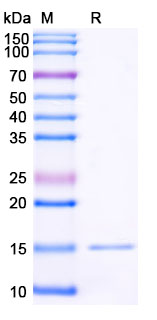
![Anti-CASR nanobody [SAA1046] (STJN000216)](https://cdn11.bigcommerce.com/s-zso2xnchw9/images/stencil/124x110/products/200829/413011/STJN000216-SDS-PAGE-1__38987.1749232529.jpg?c=1 "Anti-CASR nanobody [SAA1046] (STJN000216)")
![Anti-CASR nanobody [SAA1046] (STJN000216)](https://cdn11.bigcommerce.com/s-zso2xnchw9/images/stencil/1280x1280/products/200829/413011/STJN000216-SDS-PAGE-1__38987.1749232529.jpg?c=1 "Anti-CASR nanobody [SAA1046] (STJN000216)")